
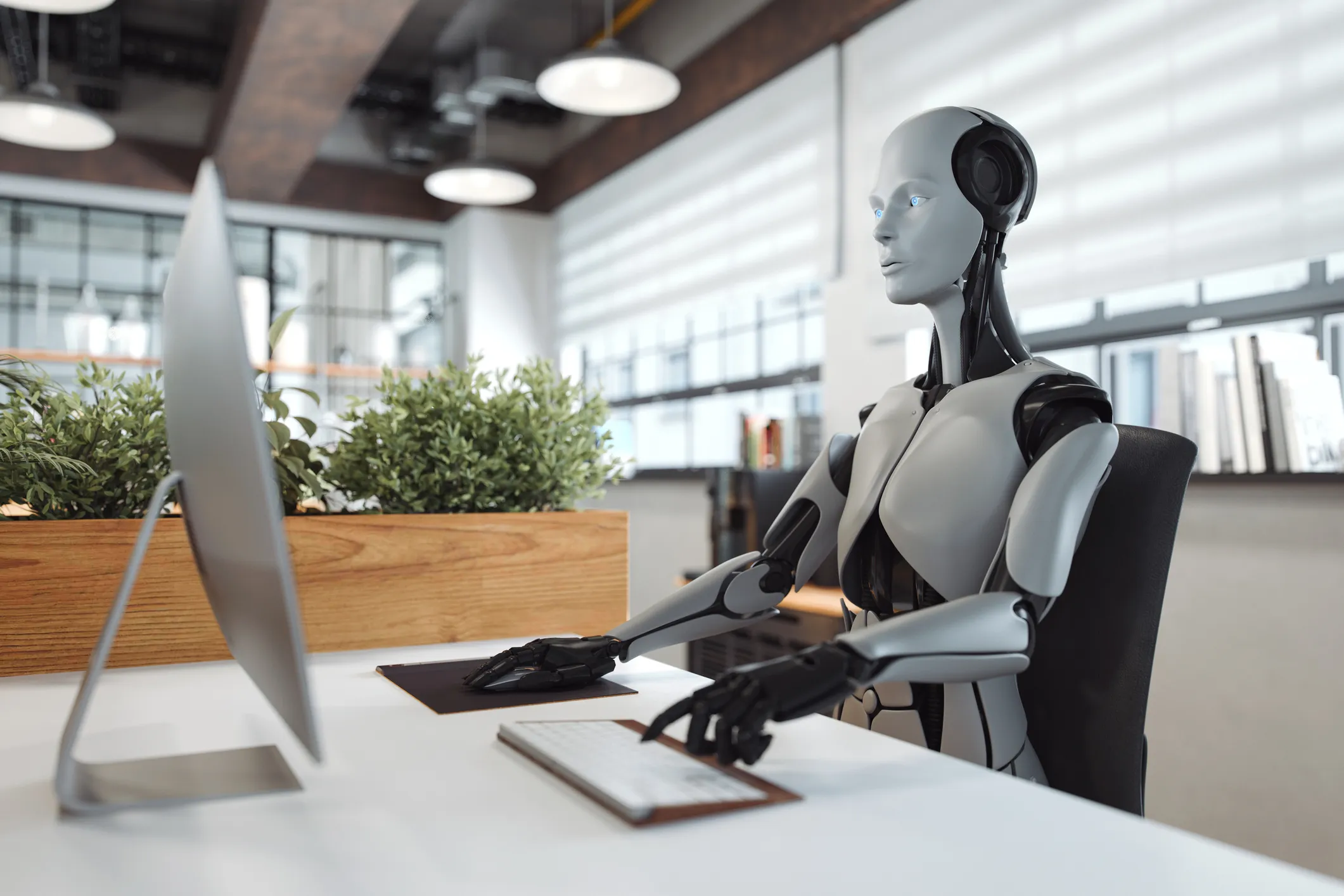
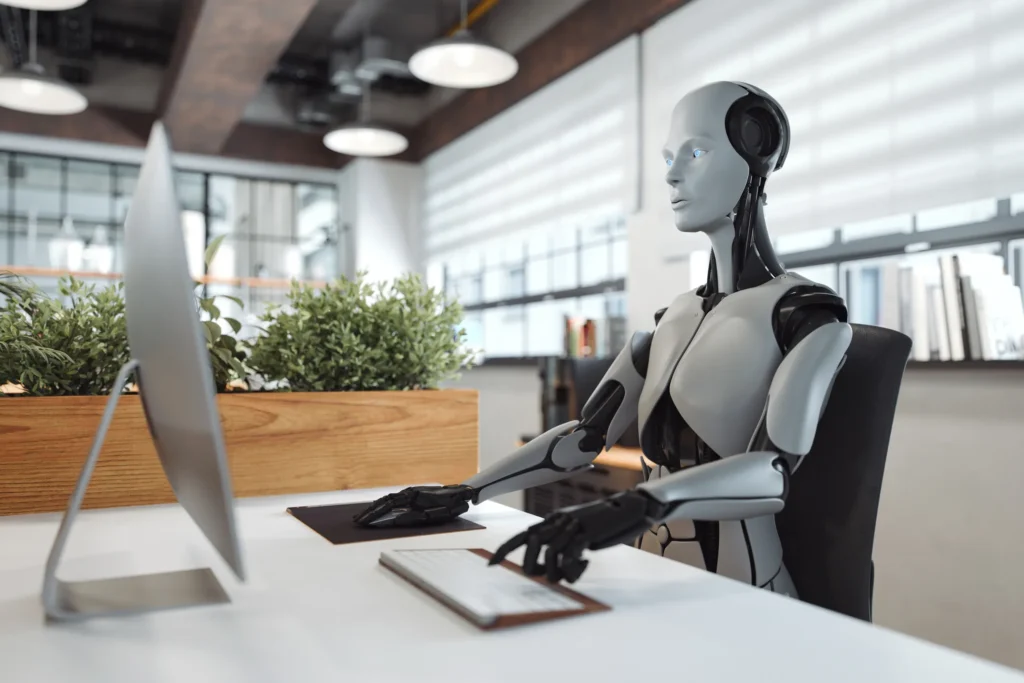
China launches first humanoid robot that changes its own batteries in a historic leap for robotics and automation. Developed by the Shanghai Robotics Institute, the robot, named Qinglong-1, is designed to operate independently by detecting low power levels, navigating to a battery station, and replacing its battery pack all without human assistance.
China Launches First Humanoid Robot That Changes Its Own Batteries
In a groundbreaking development for robotics and artificial intelligence (AI), China has launched the world’s first humanoid robot capable of autonomously changing its own batteries. This innovation marks a significant advancement in autonomous robotics, energy-efficient robots, and practical applications across multiple industries.
A Milestone in Humanoid Robotics
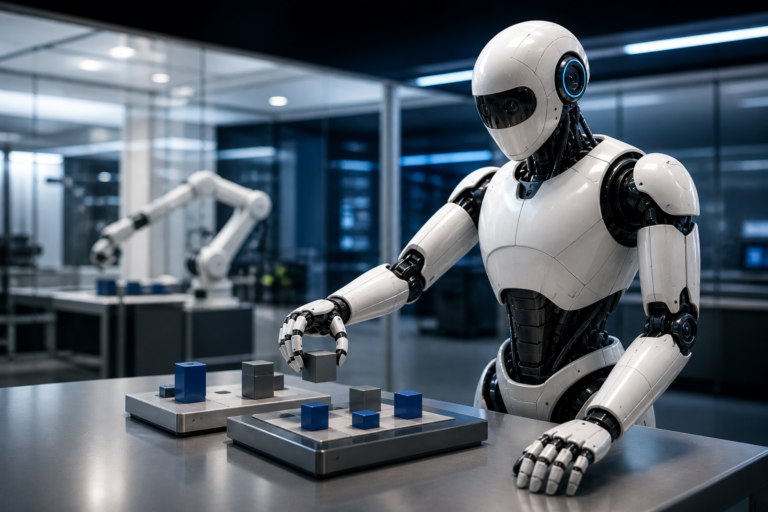
The new humanoid robot, developed by top Chinese robotics firms, can operate independently for extended periods without human intervention. Unlike traditional robots that require manual battery replacement or frequent charging, this AI-powered robot can detect low battery levels, remove spent batteries, and install fresh ones automatically.
This development addresses a critical limitation in existing humanoid robotics: dependence on human operators for maintenance and energy management. By integrating self-recharging and battery-swapping technology, the robot ensures continuous operation, making it ideal for manufacturing, logistics, healthcare, and public service sectors.
Advanced Technology Behind the Robot
The robot’s ability to swap batteries autonomously relies on a combination of sensors, computer vision, and precision robotic manipulators. These systems allow it to locate, remove, and install batteries accurately, even in complex environments.
Additionally, AI-powered algorithms monitor power consumption, predict battery depletion, and optimize energy usage for different tasks. This ensures maximum efficiency while minimizing downtime. Safety features, including collision detection and adaptive controls, make the robot suitable for environments where it may interact with humans.
Applications Across Industries
The applications for a self-sufficient humanoid robot are vast:
- Industrial Automation: The robot can perform assembly line or repetitive tasks continuously without battery-related interruptions, increasing productivity and reducing labor costs.
- Logistics and Warehousing: Autonomous robots can transport goods efficiently while managing their own energy needs.
- Healthcare: In hospitals, robots can assist with patient care, medication delivery, and monitoring, without frequent maintenance.
- Public Services: Airports, shopping centers, and hotels can use humanoid robots for customer service or sanitation, benefiting from extended operational hours.
A Leap Toward Fully Autonomous Robots
This innovation is more than a convenience—it’s a step toward fully autonomous humanoid robots. Energy independence is a major challenge in robotics. By solving the battery replacement issue, engineers are moving closer to robots capable of long-term, uninterrupted operations.
The robot also demonstrates advancements in mechanical design, AI integration, and human-robot interaction, showing that AI-powered robots can make intelligent operational decisions independently.
Global Implications
China’s achievement reinforces the country’s leadership in robotics and AI technology. While other nations have developed advanced humanoid robots, the ability to autonomously manage energy needs sets a new standard globally.
This breakthrough may inspire international research, accelerating the development of self-sustaining intelligent robots for industry, healthcare, and public services. Organizations that integrate these robots could see improved efficiency, reduced costs, and enhanced service quality.
Challenges and Future Prospects
Despite the promise, challenges remain. Advanced humanoid robots are expensive to manufacture, and ensuring safety in diverse environments is essential. Scaling this technology for widespread adoption will require further innovations in robotics engineering and AI algorithms.
Nonetheless, the successful demonstration of a humanoid robot that changes its own batteries marks a significant milestone. It lays the foundation for robots that can operate independently for days or weeks, performing complex tasks with minimal human oversight.
Conclusion
China’s launch of the first humanoid robot capable of self-changing batteries is a major leap forward in AI and robotics technology. By combining autonomy, intelligence, and practical design, this robot demonstrates the potential for robots that operate continuously in industrial, healthcare, and public environmen.
About The Author


1 thought on ““Is This the First Robot That Replaces Its Own Power?””