

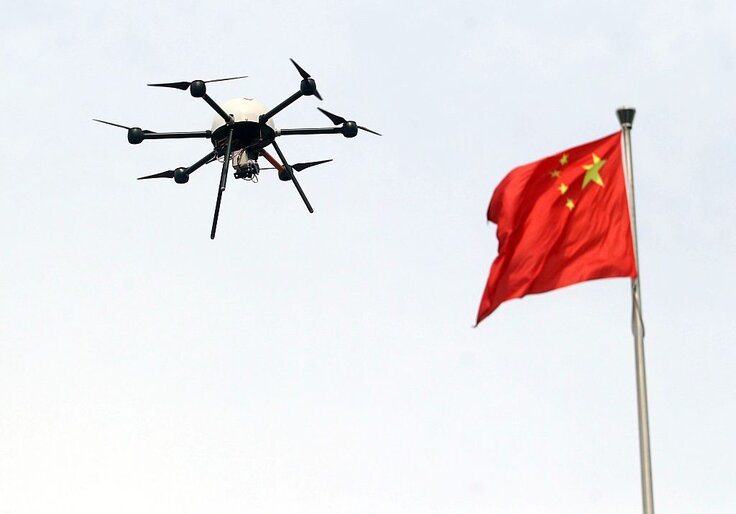
China restricts drone use domestically but continues to dominate global drone exports.
Introduction
China’s drone industry is sending a mixed message. On one side, the government is tightening rules and limiting drone sales at home. On the other, Chinese companies keep selling drones around the world. This contrast has raised many questions. Why limit access at home but expand abroad? The answer involves safety, money, and global competition.
Why China Is Restricting Drone Sales
First, the rules are about safety and control. Drones are no longer simple gadgets. They are used for mapping, farming, filming, and even security work. Because of this, they are seen as sensitive tools. Chinese officials worry about misuse. So, they have made stricter rules for buying and using drones. This helps them control airspace and reduce risks.
China’s Strength in the Global Market
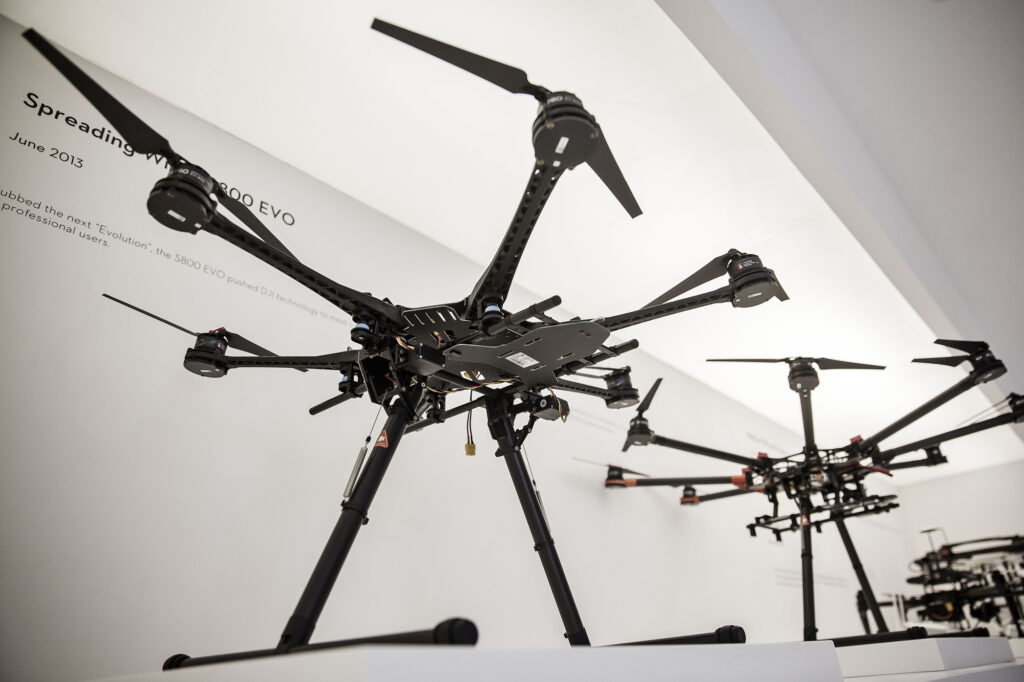
At the same time, China leads the global drone market. Companies like DJI are very popular worldwide. They offer good quality at lower prices. Because of this, many industries depend on Chinese drones. These include farming, filmmaking, and construction. As a result, global demand keeps growing.
The Economic Reason Behind the Strategy
However, this creates a clear gap. Local buyers face limits, but global buyers do not. One key reason is money. Drone exports bring in strong revenue. They also support jobs and factories. By selling abroad, China keeps its market strong. At the same time, local limits reduce risks inside the country. This shows a balance between profit and control.
A Shift Toward Better Rules
Experts say the new rules also fix past problems. Lizzi C. Lee from the Asia Society Policy Institute’s Center for China Analysis notes that earlier rules were not always clear. Enforcement was uneven. Now, officials are trying a new approach. They are adding citywide bans on drone sales and rentals. They are also limiting storage of drones and parts. This shows a stronger and more planned system.
Global Concerns and Dependence
Geopolitics also plays a role. Some countries worry about data safety and surveillance. Still, many continue to buy Chinese drones. The reason is simple. They are affordable and reliable. This creates a mixed situation. There is concern, but also dependence. Meanwhile, China tightens control at home to avoid risks.
Fast Growth of Drone Technology
Drone technology is growing very fast. New features include AI, automation, and better cameras. These changes make drones more powerful. But they also make rules harder to enforce. China is trying to keep up. By limiting use at home, it can monitor better. At the same time, exports help companies stay competitive.
Conclusion
In the end, China is balancing two goals. It wants control at home and growth abroad. This may seem confusing, but it reflects a careful plan. Drones are now powerful tools, not just gadgets. As they keep evolving, countries will face similar choices. China’s approach may shape how others respond in the future.
About The Author