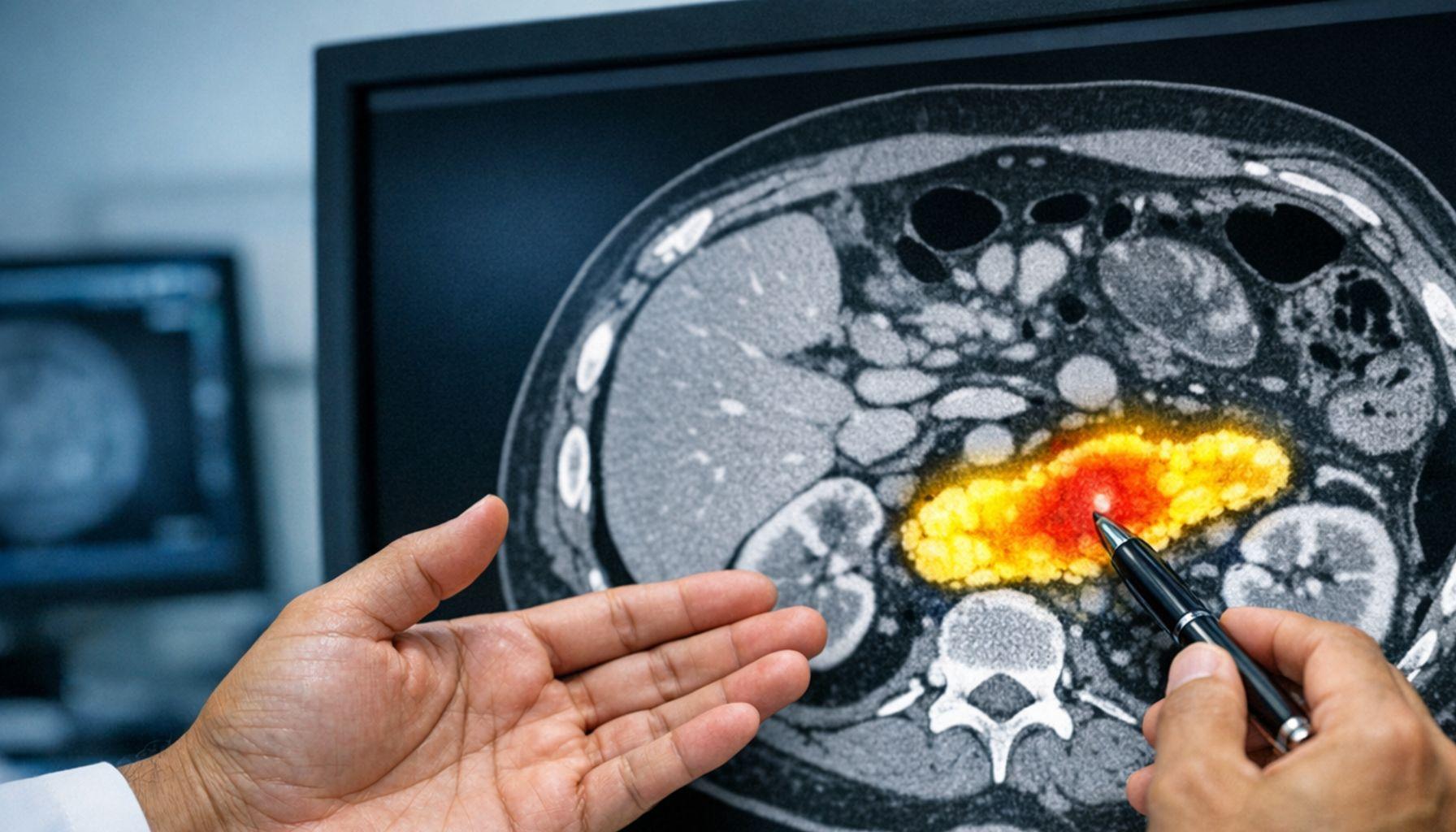
AI is transforming cancer care by detecting pancreatic cancer earlier than ever before.
Introduction
Pancreatic cancer is one of the deadliest cancers in the world. In many cases, it grows without clear symptoms in the early stages. Because of this, doctors often find it too late. As a result, treatment options become limited.
However, artificial intelligence (AI) is changing this situation. Today, new AI tools help doctors find pancreatic cancer earlier. Therefore, patients now have a better chance of survival.
Why Early Detection Matters
Early detection can save lives. In fact, when doctors find cancer early, treatment works better. In addition, patients have more options.
Doctors usually use scans, blood tests, and symptoms to detect cancer. However, these methods often miss early signs. This is because the warning signals are very small.
On the other hand, AI works differently. It studies large amounts of data. As a result, it can spot patterns that humans often miss. Because of this, detection becomes faster and more accurate.
AI Tool REDMOD: A Major Breakthrough
One powerful tool is REDMOD (Radiomics-based Early Detection MODel). Notably, researchers at the Mayo Clinic and the University of Texas MD Anderson Cancer Center created it.
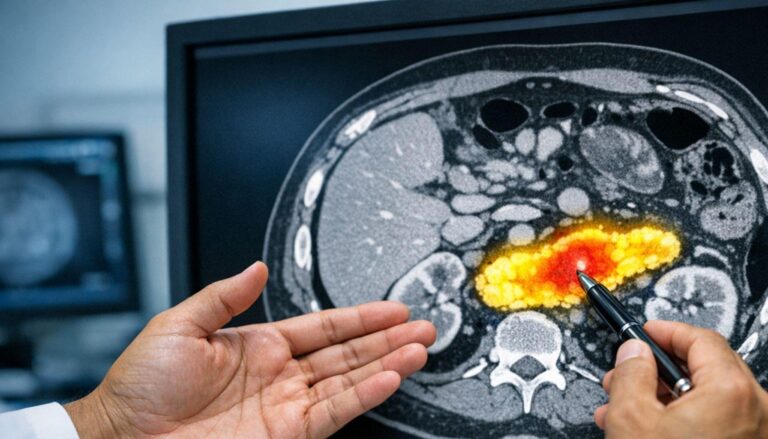
REDMOD studies CT scans, MRI images, and patient records. Then, it looks for early signs of pancreatic cancer. In some cases, it finds the disease up to three years early. As a result, patients get valuable time to act.
How AI Detects Cancer Early
AI tools like REDMOD work very fast. For example, they scan thousands of images in seconds. At the same time, they find tiny changes in tissue. Doctors may not see these changes easily.
Moreover, the system learns over time. As it receives more data, it becomes more accurate. Therefore, AI is becoming a strong tool in modern medicine.
AI and Doctors Work Together
AI does not replace doctors. Instead, it helps them do their job better.
For instance, AI highlights risky areas in a scan. Then, doctors study those areas closely. Because of this, mistakes decrease. In turn, diagnosis improves.
Overall, this teamwork leads to better results for patients.

Challenges of AI in Healthcare
AI still has some challenges. First, hospitals must protect patient data. Therefore, privacy remains very important.
Second, AI needs strong and diverse data. Otherwise, results may not be fair.
Finally, not all hospitals can afford AI tools. In addition, doctors need proper training to use them well.
The Future of Cancer Detection
AI will play a bigger role in the future. Currently, researchers are building tools to detect many types of cancer. In some cases, these tools may even predict cancer risk early.
As technology improves, early detection may become common. As a result, many lives could be saved.
Conclusion
AI tools like REDMOD are changing cancer detection. Specifically, they help find pancreatic cancer earlier than before.
Because of this, patients can start treatment sooner. In the end, early detection leads to better survival rates. Although challenges remain, AI offers real hope for the future of healthcare.
About The Author