
The Roomba maker is in trouble. Sales are falling, debt is rising, and iRobot is almost out of cash. Can the company survive the competition, or is this the end?
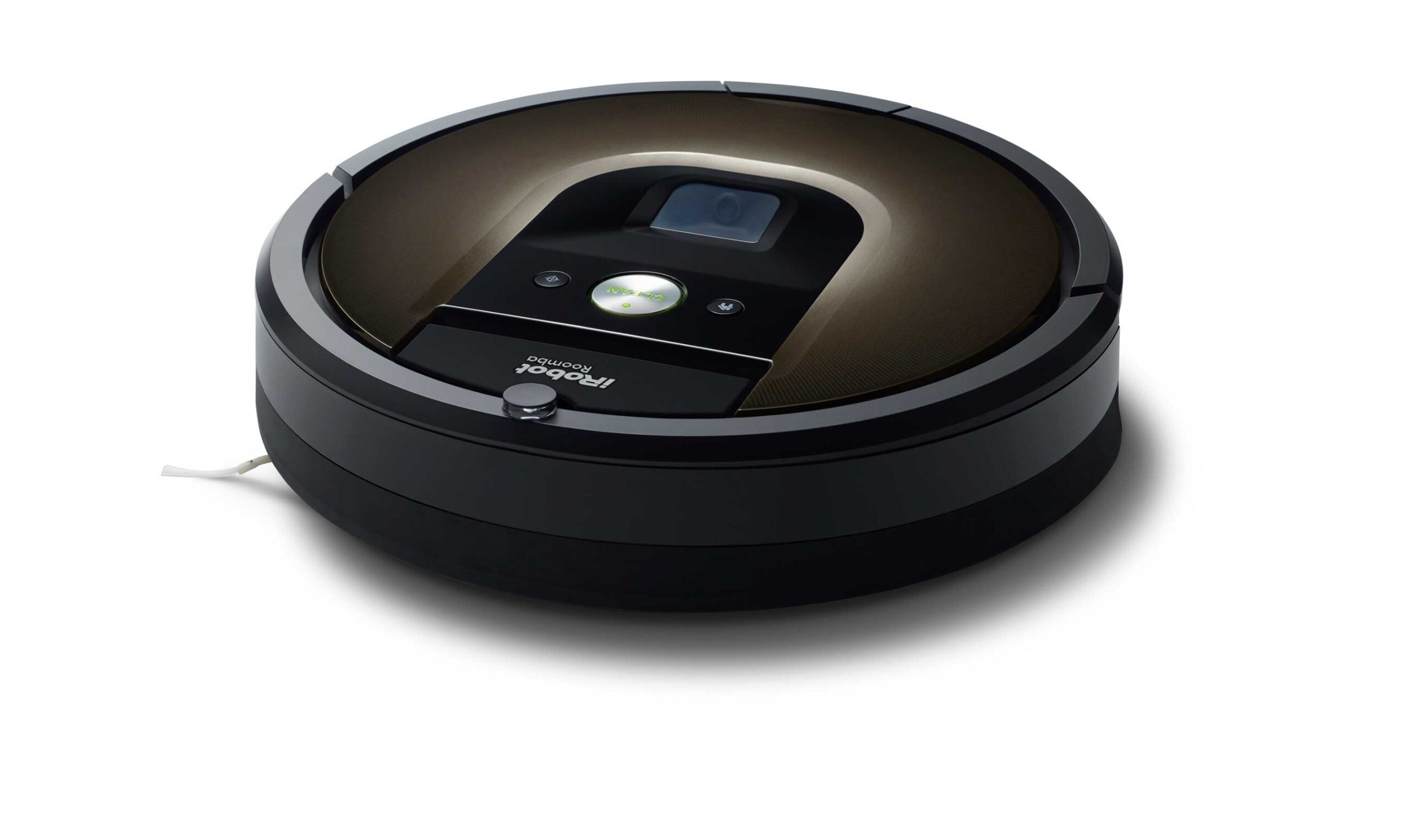
iRobot, the company behind the famous Roomba vacuum, once ruled the robot cleaning market. For many years, Roomba was a popular and trusted smart home device. It was sold in millions of homes around the world. Today, the situation is very different. iRobot is losing money, sales are falling, and the company is almost out of cash. Many experts believe it could be close to bankruptcy.
Sales Dropped and Revenue Fell
iRobot’s problems did not start in one day. After the pandemic, shoppers changed their spending habits. Prices went up, jobs felt less secure, and many people stopped buying expensive gadgets. They looked for cheaper products instead. Roomba sales dropped again and again. The company reported losses, and its cash reserves got smaller. Soon, iRobot warned it might not have enough money to continue in the future. That message scared investors, and the stock price hit record lows.

Amazon Deal Failed
For a moment, iRobot saw hope. In 2022, Amazon planned to buy the company. The deal was worth more than $1 billion. It could have helped iRobot pay its debt, create new products, and stay strong. But regulators in the U.S. and Europe stopped it. They believed Amazon would gain too much power in the smart home market. After long delays, Amazon canceled the deal. That left iRobot with loans, no cash, and no rescue plan.
Cheaper Rivals Took Over
Competition also hurt iRobot. Companies like Roborock, Ecovacs, and Xiaomi released robot vacuums with strong features at lower prices. These machines offered smart mapping, voice control, and self-emptying docks. Some models cost half the price of a Roomba. Many buyers made the switch. Reviewers praised the cheaper alternatives, and iRobot’s market share dropped fast. In a tough economy, people want smart products but at a lower price.
Layoffs and Cost Cuts
As money ran low, iRobot had to cut costs. It laid off hundreds of workers and canceled new projects. The company also reduced its product line. These steps saved money, but they slowed innovation. Rivals kept launching new models, while iRobot had fewer updates. Shoppers stopped seeing Roomba as the best choice. Falling sales led to more cuts, which created a difficult cycle.
Is There Still Hope?
Even with these problems, iRobot still has strengths. The brand is well known, and millions of Roomba vacuums are already in homes. That gives the company value. Analysts believe iRobot may survive with new investors, a buyout, or a major strategy change. A large tech or appliance company could still step in and save the Roomba brand. But timing is critical. If nothing changes soon, bankruptcy becomes more likely.
A Warning for the Smart Home Industry
The story of iRobot shows how fast technology can change. Being first does not guarantee long-term success. New competitors entered the market with better prices and fresh ideas. Customers followed them. To survive, companies must innovate, stay affordable, and adapt to economic conditions. Now, the world watches to see if iRobot can recover or if the Roomba era will come to an end.
About The Author