

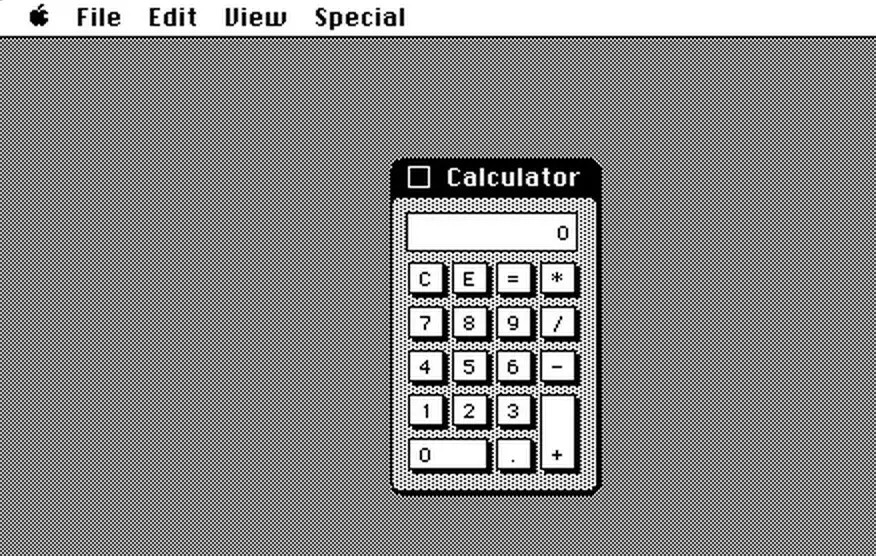
Steve Jobs redesigned the Mac Calculator in ten minutes — and created a timeless lesson in Apple design.
Introduction: A Simple Tool With a Big Story
People often talk about Apple’s biggest inventions — the iPhone, iMac, and iPod. However, few know about the Mac Calculator. In fact, this small app tells a story about Steve Jobs’ obsession with design. What seemed ordinary became extraordinary because Jobs believed every detail mattered. Moreover, the Mac Calculator shows how simplicity can be powerful when combined with vision.
Apple’s Early Days: Building the First Macintosh
In the early 1980s, Apple was creating the first Macintosh computer, designed to be modern, friendly, and easy to use. Among its new tools was a basic calculator app. To most engineers, it was a minor feature. Yet to Steve Jobs, it represented an opportunity to showcase Apple’s design philosophy.
When Jobs first looked at the calculator, he was disappointed. The layout seemed messy, and the buttons were uneven. Therefore, he insisted that it should feel clean and balanced. As a result, even a small tool like a calculator had to demonstrate Apple’s attention to detail.
When Steve Jobs Took Control
Instead of guessing what Jobs wanted, Andy Hertzfeld, one of Apple’s early developers, gave him direct control. He built a program called “The Calculator Construction Set”, which allowed Jobs to adjust button sizes, colors, and fonts. Meanwhile, Jobs explored every option, rearranging elements and testing what looked best.
After about ten minutes, he stopped. The layout on the screen was balanced, readable, and modern. Consequently, that design became the official Mac Calculator interface. Although it took only a short time, the result reflected Apple’s design principles — simple, elegant, and functional.

Design Lessons From a Ten-Minute Experiment
That brief session revealed a lot about Steve Jobs’ approach to creativity. He didn’t rely on long meetings or endless discussions. Instead, he experimented and trusted his instincts. Moreover, he focused on how the calculator felt to use, not just how it looked.
This moment also proved that simplicity requires precision. In fact, removing unnecessary clutter often takes more thought than adding features. As a result, the final design was not only elegant but also highly usable. Therefore, even a small app can teach a big lesson about design.
Simplicity Is Hard Work
At first glance, the Mac Calculator appears simple. However, that simplicity is the product of careful choices. Jobs believed that true simplicity comes from refining every detail, not avoiding effort. Each space, shape, and color had a purpose.
He often said, “Design is how it works.” Furthermore, he ensured that even small apps felt polished and thoughtful. Consequently, this philosophy later influenced Apple’s major products, including the iPod and iPhone. As a result, simplicity became a hallmark of Apple design.
A Small App With a Lasting Legacy
Over time, the Mac Calculator became part of Apple’s design story. Moreover, it inspired the team to keep refining every detail. Because of this, Apple’s products have maintained a consistent focus on clarity and usability.
Even today, the Calculator app on macOS and iOS shows the influence of Jobs’ redesign. Its clean layout and balanced spacing demonstrate that attention to detail lasts. Ultimately, a ten-minute session turned into a decades-long legacy, proving that small ideas can have a huge impact.
Conclusion: From Menus to Magic
The Mac Calculator may seem minor, yet it captures a core truth about Apple. Innovation doesn’t always require new technology. Instead, it can come from curiosity, care, and focus.
From menus to magic, Steve Jobs transformed a simple calculator into a lasting design lesson. In fact, his story reminds designers everywhere that even small ideas, when handled with care, can change the way people experience technology.
About The Author