

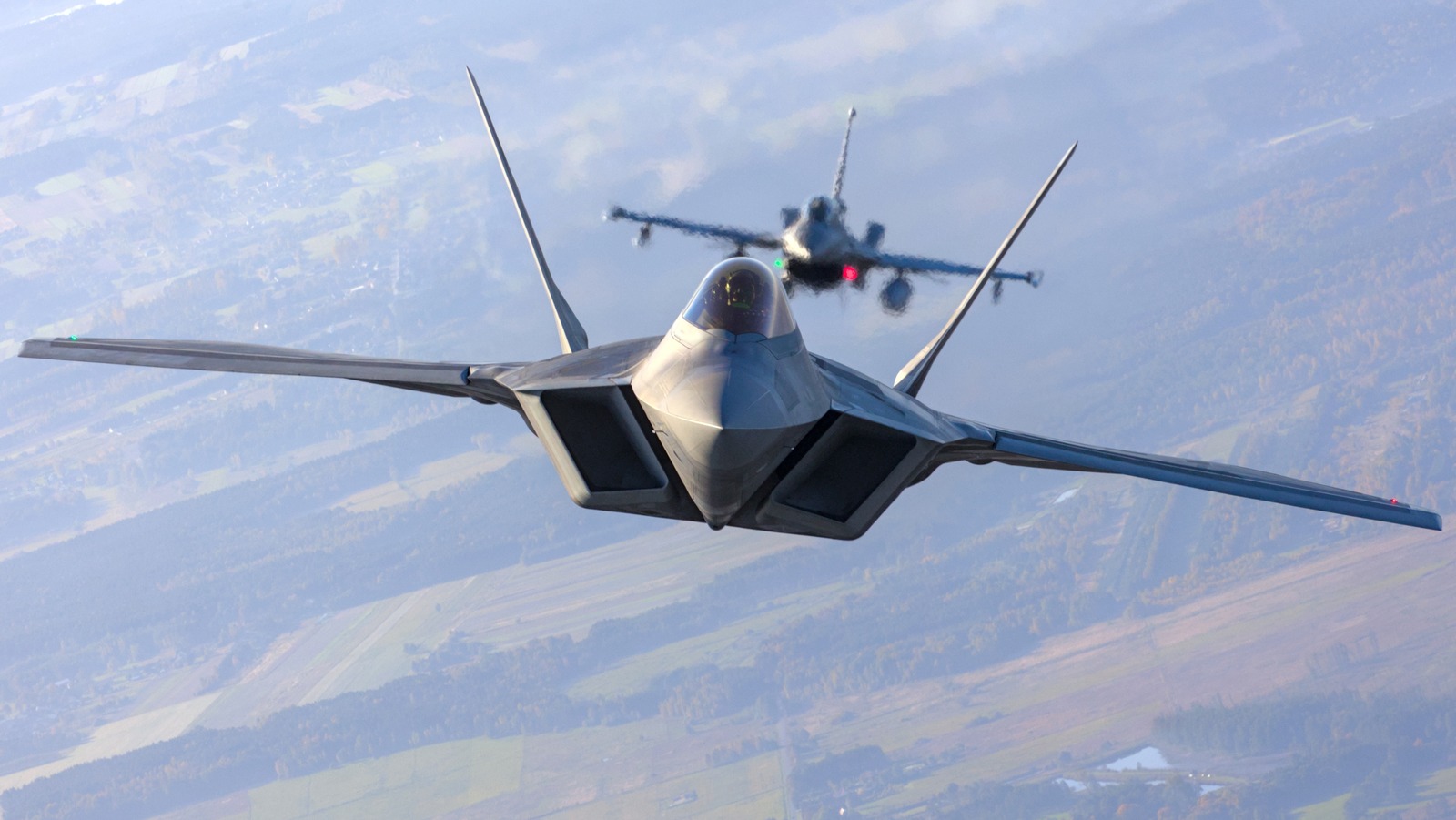
Top 10 Fighter Jets: The Ultimate Air Combat Machines
The Best Fighter Jets in the World: Ultimate Guide to Modern Air Superiority
In today’s rapidly evolving military landscape, fighter jets play a crucial role in ensuring air superiority and national defense. Modern air forces around the world invest heavily in developing and acquiring advanced fighter aircraft capable of performing multiple roles, from air-to-air combat to ground attack and reconnaissance missions. This guide explores some of the best fighter jets in the world, highlighting their unique capabilities, technologies, and roles in modern warfare.
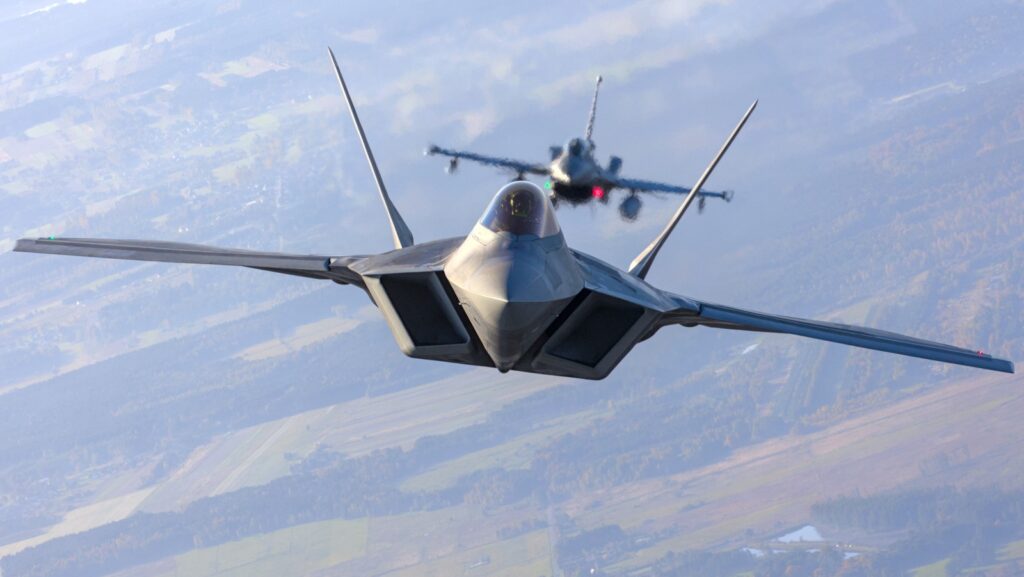
1. Lockheed Martin F-22 Raptor (USA)
The F-22 Raptor is widely regarded as one of the most advanced stealth fighter jets in the world. Developed by Lockheed Martin, the F-22 combines supercruise capabilities, advanced avionics, and stealth technology, making it virtually invisible to enemy radar. Its superior maneuverability and air-to-air combat capabilities allow it to dominate adversaries in aerial dogfights. The F-22’s sensor fusion technology provides pilots with unparalleled situational awareness, giving it an edge in both offensive and defensive missions.
2. Sukhoi Su-57 (Russia)
Russia’s Su-57 is a fifth-generation multirole fighter jet designed to compete with the F-22 and F-35. The Su-57 features stealth capabilities, supercruise speed, and advanced electronic warfare systems. Equipped with state-of-the-art air-to-air and air-to-ground weaponry, the Su-57 is designed for flexibility in both air dominance and strike missions. Its advanced thrust-vectoring engines enhance agility, making it one of the most maneuverable fighter jets in service today.
3. Chengdu J-20 (China)
The Chengdu J-20 is China’s fifth-generation stealth fighter jet, designed to establish air superiority in the Asia-Pacific region. With stealth design features, long-range missiles, and advanced radar systems, the J-20 is capable of penetrating enemy defenses while maintaining high survivability. Its emphasis on long-range strike capabilities makes it an essential tool for China’s modern air force strategy, aimed at projecting power across the region.
4. Lockheed Martin F-35 Lightning II (USA)
The F-35 Lightning II is a versatile fifth-generation multirole fighter jet with advanced stealth technology, sensor fusion, and network-centric warfare capabilities. Unlike the F-22, the F-35 is designed for widespread deployment among allied nations, combining air-to-ground, air-to-air, and electronic warfare capabilities in a single platform. Its three variants—F-35A, F-35B, and F-35C—allow for operations from conventional runways, short takeoff/vertical landing, and aircraft carriers.
5. Eurofighter Typhoon (Europe)
The Eurofighter Typhoon is a highly agile multirole fighter developed by a consortium of European countries, including the UK, Germany, Italy, and Spain. Known for its superb maneuverability, the Typhoon excels in both air superiority and ground attack missions. Equipped with advanced radar and electronic warfare systems, the Eurofighter Typhoon is considered one of the most effective fourth-generation-plus aircraft in the world, with ongoing upgrades keeping it competitive in modern air combat.
6. Dassault Rafale (France)
France’s Dassault Rafale is a twin-engine multirole fighter jet designed for versatility in modern warfare. Capable of air-to-air combat, ground attack, reconnaissance, and nuclear strike missions, the Rafale incorporates advanced avionics, sensors, and weapons systems. Its delta-wing design and advanced flight controls give it excellent agility, while the Thales RBE2 radar enhances target detection and engagement in complex combat environments.
Modern Air Superiority Trends
The best fighter jets in the world combine stealth, speed, maneuverability, and advanced avionics. Fifth-generation aircraft such as the F-22, F-35, Su-57, and J-20 emphasize stealth and sensor fusion, enabling pilots to detect, track, and engage targets before being detected themselves. Meanwhile, fourth-generation-plus jets like the Eurofighter Typhoon and Dassault Rafale continue to play critical roles due to cost-effectiveness, adaptability, and multirole capabilities.
Modern air combat increasingly relies on networked warfare, where fighter jets integrate with drones, satellites, and ground-based systems to provide real-time battlefield intelligence. The combination of man and machine ensures that air forces can maintain superiority in any theater of operations.
Conclusion
The best fighter jets in the world represent the pinnacle of aviation technology, blending speed, stealth, firepower, and intelligence systems to dominate modern air warfare. Aircraft like the F-22 Raptor, Su-57, F-35 Lightning II, J-20, Eurofighter Typhoon, and Dassault Rafale showcase how nations invest in cutting-edge platforms to maintain air superiority.
As technology advances, future fighter jets are expected to integrate artificial intelligence, hypersonic weapons, and advanced electronic warfare systems, further enhancing their capabilities. For military enthusiasts and defense analysts alike, these jets offer a glimpse into the evolving landscape of modern aerial combat and global air powe.
About The Author