

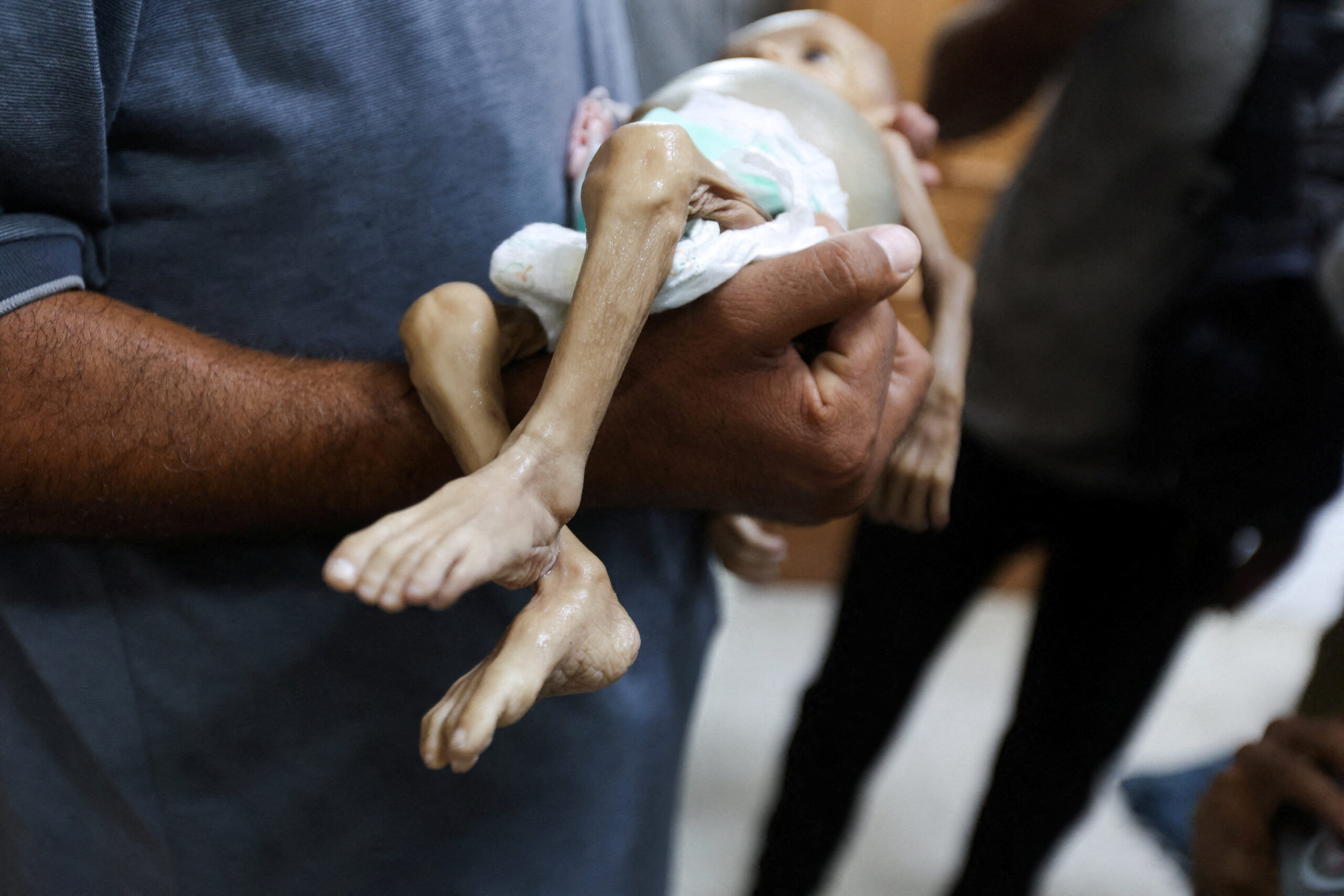
The Gaza Malnutrition Crisis: 11 More Deaths Reported by Hamas Health Ministry underscores a worsening humanitarian disaster. On August 9, 2025, the Hamas-run Health Ministry reported 11 additional deaths from malnutrition, raising the total to 212, including 98 children. The World Health Organization notes a tripling of acute malnutrition rates among children in Gaza City since June 2025.
Gaza Malnutrition Crisis: 11 More Deaths Reported by Hamas Health Ministry
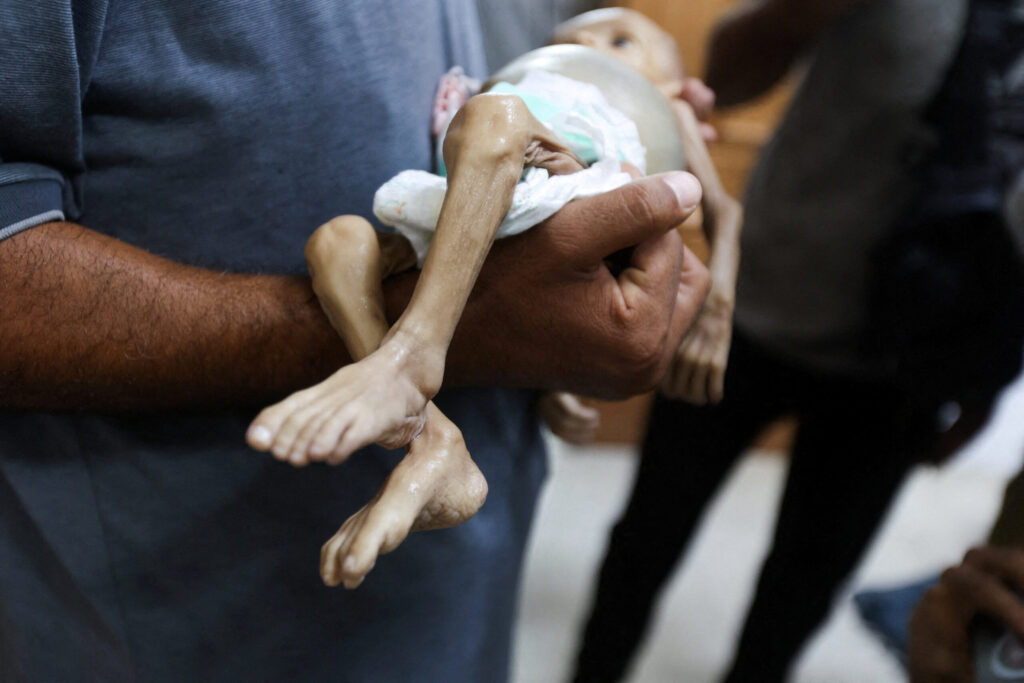
The Gaza Strip, already struggling under long-standing humanitarian challenges, is facing a severe malnutrition crisis. According to the Hamas Health Ministry, 11 more deaths have been reported, highlighting the critical situation. This alarming trend emphasizes the urgent need for international intervention and global attention.
Gaza, home to over 2 million people, has long endured blockades, economic instability, and political turmoil. These conditions have created widespread food insecurity, leaving vulnerable populations—especially children and the elderly—susceptible to malnutrition. The recent fatalities serve as a stark reminder of the fragile living conditions in the region.
Causes of Malnutrition in Gaza
Several factors contribute to the ongoing malnutrition crisis in Gaza. First, the persistent blockade on Gaza restricts the flow of essential goods, including nutritious food, medicines, and medical supplies. This blockade has severely impacted the local economy, making it difficult for families to afford basic nutritional needs.
Additionally, repeated conflicts have damaged Gaza’s infrastructure, including hospitals and water supply systems, reducing access to medical care and clean water. Poor sanitation and limited healthcare increase vulnerability to diseases, which worsen malnutrition rates, especially among children.
The Hamas Health Ministry also reports shortages of critical medicines needed to treat malnutrition-related conditions. Hospitals are overwhelmed, and medical personnel are stretched thin, delaying care for those in critical need.
The Human Impact
The human cost of Gaza’s malnutrition crisis is devastating. Families are losing loved ones, and children remain the most affected. Malnutrition not only threatens physical health but also has long-term psychological and developmental effects.
Children who suffer prolonged undernutrition may experience stunted growth, weakened immunity, and cognitive delays. Adults face reduced work capacity, deepening poverty and dependency on humanitarian aid. Communities across Gaza struggle with a combination of food scarcity, unemployment, and limited healthcare access, leaving them in a state of ongoing crisis.
International Response
International organizations, including the United Nations and the World Food Programme, are working to provide emergency aid in Gaza. This includes food supplies, nutritional supplements, and medical support. However, security concerns, logistical challenges, and funding shortages limit the effectiveness of these efforts.
Diplomatic efforts aim to ease restrictions on aid and stabilize the region. Experts stress that addressing malnutrition in Gaza requires long-term solutions, including rebuilding infrastructure, supporting local agriculture, and improving economic opportunities.
Urgent Actions Needed
Immediate humanitarian action is critical. Governments, NGOs, and international agencies must coordinate to deliver life-saving aid, particularly to high-risk groups like children and the elderly. Priority actions include:
- Expanding access to hospitals and clinics
- Providing nutritional support and supplements
- Restoring clean water and sanitation systems
Long-term strategies must tackle the root causes of malnutrition. These include easing blockades, supporting local food production, creating employment opportunities, and strengthening Gaza’s healthcare system. Global advocacy is essential to ensure the international community prioritizes the needs of Gaza’s most vulnerable residents.
Conclusion
The report of 11 more deaths due to malnutrition in Gaza underscores the gravity of the crisis. Immediate and sustained action is vital to save lives and address systemic challenges perpetuating food insecurity. Without urgent intervention, the malnutrition crisis in Gaza is likely to escalate, putting thousands more at risk.
The global community must respond with coordinated aid, long-term solutions, and compassion. Gaza’s residents deserve not only emergency assistance but also hope for a future free from hunger and malnutrition.
About The Author