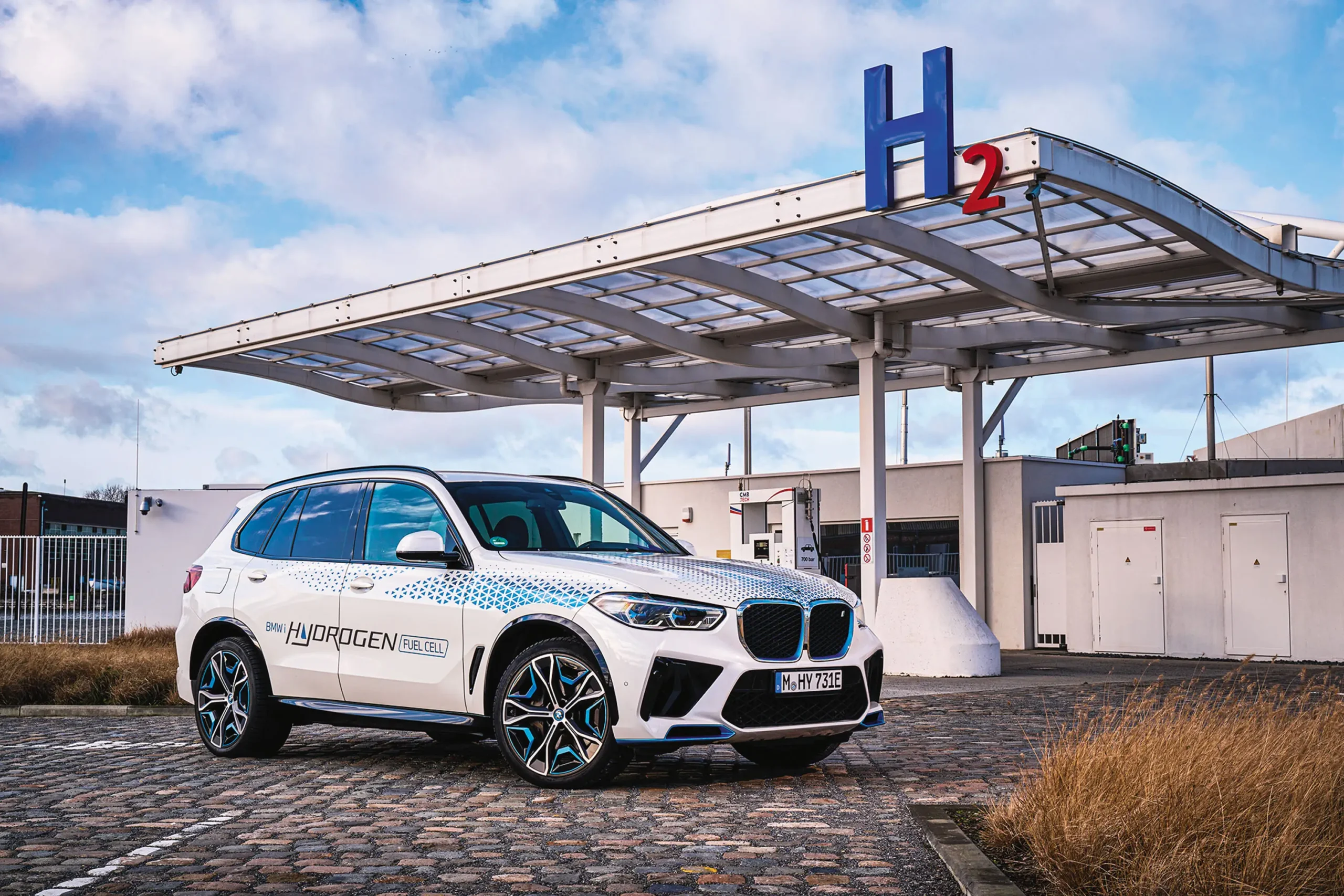
BMW back hydrogen for transport with first series production car in 2028, showing a powerful commitment to future mobility solutions beyond batteries. This milestone follows the global success of the BMW iX5 Hydrogen prototype, which showcased a range of 300+ miles and refueling in under five minutes.
Will BMW’s First Hydrogen Car Arrive by 2028?

The automotive industry is shifting rapidly toward green technology and sustainable mobility. While electric vehicles (EVs) dominate today’s headlines, another strong contender is emerging: hydrogen-powered cars. Among the leaders, BMW has announced its plan to launch its first hydrogen car for the mass market by 2028. But the big question remains: Will BMW really deliver on this promise?
BMW’s Hydrogen Car Vision
BMW has always been a pioneer in innovative automotive solutions. In addition to its EV lineup like the BMW iX and BMW i4, the company has been investing heavily in hydrogen fuel cell technology. Unlike EVs that rely on batteries, hydrogen cars use fuel cells that convert hydrogen into electricity, offering a cleaner and more efficient way to power vehicles.
BMW’s iX5 Hydrogen prototype has already made waves in the automotive industry, proving that hydrogen can be a viable alternative. By 2028, BMW aims to move beyond prototypes and into mass production of hydrogen-powered cars, targeting eco-conscious consumers looking for sustainable driving solutions.
Why Hydrogen Cars Matter
While EVs dominate the market, hydrogen vehicles offer unique advantages that could change the future of transportation:
- Fast Refueling – Hydrogen cars can refuel in just 3–5 minutes, unlike EVs that may take hours to charge.
- Longer Range – Many hydrogen cars can exceed 400 miles per tank, making them ideal for long-distance drivers.
- Lightweight Technology – Without massive batteries, hydrogen cars are more suitable for SUVs, trucks, and luxury vehicles.
- Zero Emissions – Like EVs, hydrogen fuel cell cars release only water vapor, supporting carbon-neutral mobility.
For BMW, hydrogen is not about replacing EVs but about diversifying green mobility options to meet global demand.
Challenges to Overcome
Despite its potential, hydrogen fuel technology faces significant hurdles before mass adoption:
- Lack of Infrastructure – Hydrogen refueling stations are still very limited worldwide.
- High Production Costs – Fuel cell technology is expensive compared to batteries.
- Energy Source Concerns – Hydrogen production must shift from fossil fuels to renewable energy to be truly sustainable.
- Market Competition – EVs are already widely accepted, making it harder for hydrogen to catch up.
If BMW wants to succeed by 2028, it must address these challenges through partnerships, government support, and technology breakthroughs.
The Global Hydrogen Movement
BMW is not alone in betting on hydrogen. Toyota Mirai and Hyundai Nexo are already on the roads, and countries like Japan, Germany, and South Korea are investing heavily in hydrogen infrastructure.
The European Union has committed billions to hydrogen energy projects, ensuring the growth of refueling stations and clean hydrogen production. By 2028, this global push could provide BMW with the ecosystem it needs to deliver its hydrogen car lineup.
What Drivers Can Expect in 2028
If BMW meets its goal, here’s what consumers may see:
- Luxury Meets Sustainability – Premium BMW performance with eco-friendly design.
- Extended Range Confidence – Eliminating range anxiety common in EVs.
- Hydrogen Refueling Stations Expansion – Governments investing in green infrastructure.
- Affordable Pricing – As technology scales, prices will compete with EVs.
BMW is likely to debut hydrogen cars in its luxury SUV or sedan segment, aligning with its premium image before moving into wider markets.
Can BMW Succeed by 2028?
The year 2028 is fast approaching, and while BMW has the resources and technology, its success depends on global hydrogen infrastructure, consumer adoption, and government policies. If these align, BMW could lead a hydrogen revolution in the automotive industry.
Still, even if the launch faces delays, BMW’s commitment signals that the future of transport will not rely on electric cars alone. Hydrogen has the potential to complement EVs, especially in long-range and heavy-duty vehicles.
Conclusion
So, will BMW’s first hydrogen car arrive by 2028? The answer looks promising but uncertain. BMW’s investment in hydrogen shows strong confidence in this technology, but success will depend on infrastructure growth, production scaling, and consumer demand.
One thing is clear: the future of green mobility is not just electric—it’s also hydrogen-powered. And if BMW delivers, 2028 could mark the beginning of a new hydrogen era in transportation.
About The Author