

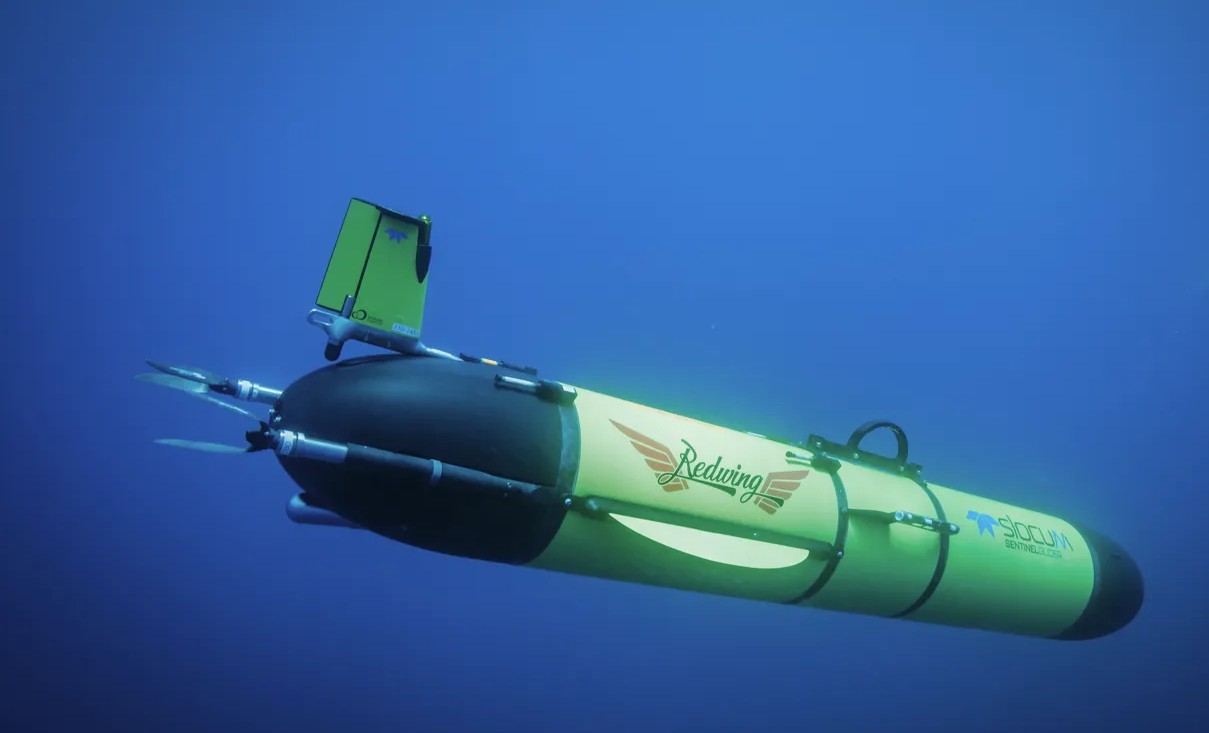
A bold step for science! The world’s first autonomous underwater robot begins its mission to circle the globe and study our oceans.
A Historic Mission Beneath the Waves
Scientists have made history. They have launched the world’s first autonomous underwater robot to circle the globe. This event marks the start of a new era in ocean exploration. The project combines artificial intelligence, robotics, and marine science to study the deep sea in ways never seen before. This robot is not just a machine; it is a symbol of progress and hope for a cleaner, better-understood planet.
The Ocean: Our Last Great Mystery
The ocean covers most of our planet, yet we know little about it. More than 80% of it is still unexplored. Ships and submarines help scientists learn, but they are expensive and slow. They also need large crews and depend on good weather.
The new robot changes that. It can work on its own for many months. It travels deep underwater and collects data nonstop. With every dive, it gathers facts about temperature, currents, and marine life. This information helps experts understand how the ocean affects the world’s climate.
Inside the Autonomous Underwater Robot
The robot is built with smart tools that make it both strong and efficient. It has sensors to track water temperature, salt levels, and chemical changes. It also carries cameras and sonar that map the seafloor and record marine animals.
Power comes from renewable energy. Solar and thermal systems recharge it as it moves. That means it can travel thousands of kilometers without fuel or human help. It sends data through hydroacoustic signals to satellites above the sea. Scientists can then view the results in real time.
This design makes the robot clean, cost-effective, and sustainable. It can go where people cannot and stay there safely for long periods.
Why This Mission Matters
The ocean plays a major role in keeping Earth balanced. It absorbs carbon, creates oxygen, and controls weather patterns. Yet it is under threat. Pollution, rising temperatures, and overfishing are damaging fragile ecosystems.
The autonomous underwater robot can help solve these problems. It provides nonstop information about coral reefs, pollution levels, and wildlife movement. This helps scientists predict changes and protect sea life before it is too late. The mission supports both climate research and marine conservation.
A Global Effort for Ocean Innovation
This project brings together experts from around the world. Universities, tech companies, and ocean research groups joined forces to build the robot. Engineers, programmers, and scientists shared their ideas and knowledge.
Their teamwork shows how global cooperation can lead to sustainable progress. It also proves that innovation can serve both science and the environment. Working together, these teams have built a tool that could change how we explore and protect our planet.
The Future of Underwater Exploration
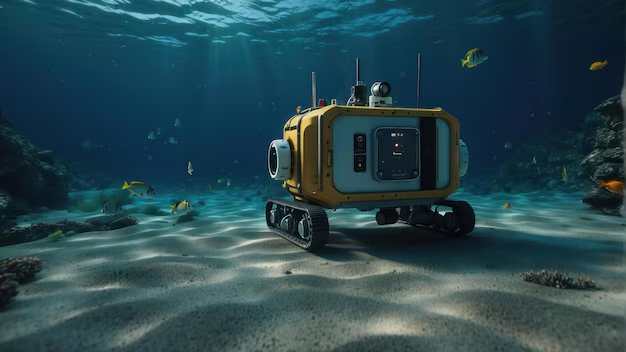
The robot’s journey is only the beginning. Future versions could work in groups to study the ocean even more deeply. They could clean waste, map new regions, and observe marine species in real time.
Every kilometer traveled adds to our knowledge. The data helps experts understand the impact of climate change and plan better for the future. These robots could make ocean research safer, smarter, and far more affordable.
Conclusion: The Ocean Is Our Next Frontier
The world’s first autonomous underwater robot shows what happens when creativity meets purpose. Powered by AI and clean energy, it dives into the unknown to uncover hidden truths about our planet.
As it circles the globe, it reminds us that the next great frontier is not in space but in the deep blue sea. Each discovery brings us closer to protecting the ocean — and the future of life on Earth.
About The Author