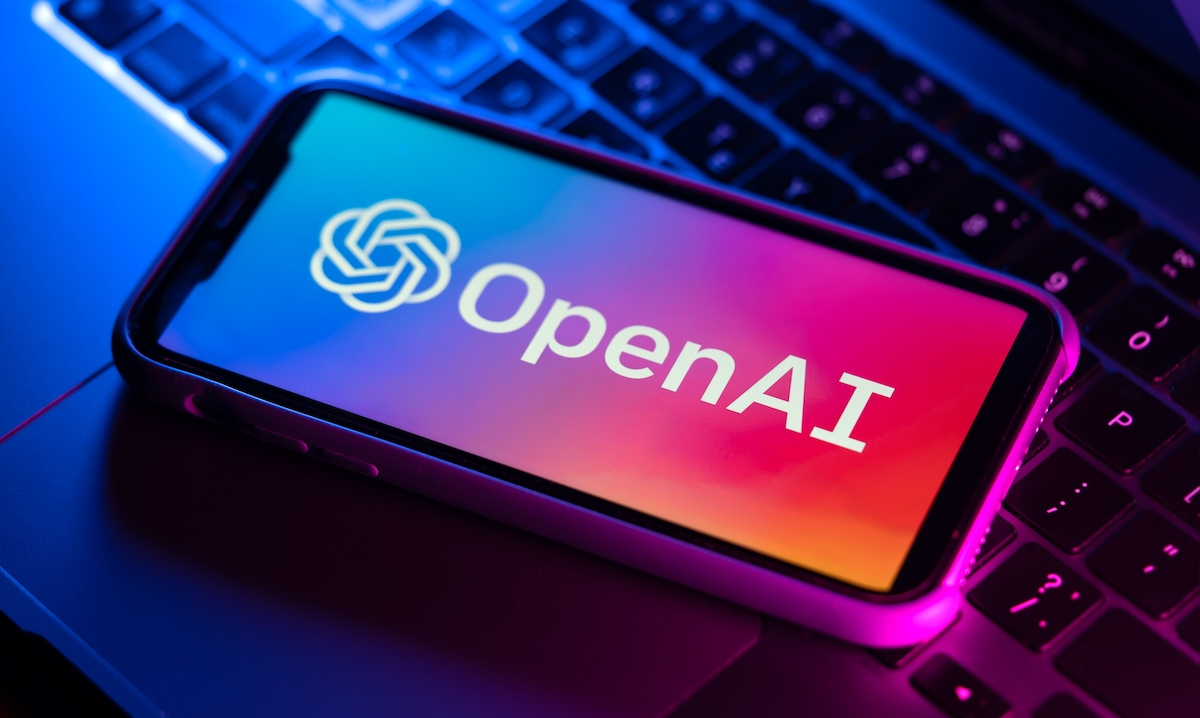
AI is no longer just an app — it’s becoming part of the operating system.
1. AI Moves from Apps to the Operating System
OpenAI has acquired the team behind Sky, a macOS AI tool. This marks a major shift in how AI works on computers. Instead of living only in apps or browsers, AI may now become part of the operating system itself. Sky sits on top of your desktop and can see what is happening on your screen. It helps you write, plan, or organize without switching between apps. Because of this, AI is moving from being a tool you visit to a tool that lives in your system.
2. A New Kind of Operating System Experience
This is more than a simple business deal. It shows OpenAI’s plan to turn AI into a built-in part of computers. With system-level access, AI can understand which app you’re using and what task you’re doing. As a result, it could take action instantly. This also puts OpenAI in competition with Apple and Microsoft. These companies are also building AI-powered systems. This change could redefine how operating systems are designed and how people use their computers.
3. How It Could Help Everyday Users
This kind of AI could make daily work faster and easier. For example, you could highlight a sentence and say, “Make this formal,” and AI would update it right away. If you drag files for a presentation, the AI might ask if you want slides made for you. You could also say, “Summarize this report and send it to the team,” and it would do the work. In simple terms, AI becomes helpful in the background, across all apps, without needing to open a separate window.
4. Challenges: Privacy and User Control
However, this level of access brings risks. AI will see your files, apps, and screen activity. Because of that, privacy and permissions are critical. Users must know what AI can see and be able to turn it off. If AI becomes annoying or makes mistakes, people may disable it. Another challenge is making this work on Windows, Linux, and mobile devices. Each system works differently, so building a smooth experience everywhere will be difficult.

5. Impact on Technology and Business
This shift could change more than just personal computers. AI is moving from being an app to being part of the system itself. This creates a new platform race. Whoever controls AI at the OS level may also control apps, data, and workflows. Developers might need to build apps that work with AI, not just on their own. For businesses, this could save time. AI could handle routine work while people focus on ideas and decisions.
6. What Happens Next?
Several big questions remain. Will OpenAI bring this to Windows and smartphones? How will it protect privacy while staying useful? Will Apple and Microsoft work with OpenAI or try to beat it with their own tools? The success of system-level AI depends on trust, safety, and good design. If done well, people will accept it. If not, they may reject it.
7. A New Chapter for Human–Computer Interaction
In conclusion, OpenAI’s move shows a future where AI is built into the operating system. You may not need to open a chatbot anymore. Instead, AI will be by your side in every file, app, and task. If done with care, it could change how we work and use technology. If not, it could create privacy and control issues. Still, this is one of the biggest steps in AI so far—and it is only the beginning.
About The Author