Rising AI demand is tightening memory chip supply, pushing smartphone prices higher and threatening a 12.9% shipment drop in 2026.
Artificial intelligence is growing very fast. In just a few years, AI has moved from research labs into daily life. Businesses now use AI for customer support, marketing, and security. People use it for search, writing, and smart apps. However, this fast growth has created a new problem. The world is now facing a memory chip shortage driven by AI demand.
AI Needs More Powerful Hardware
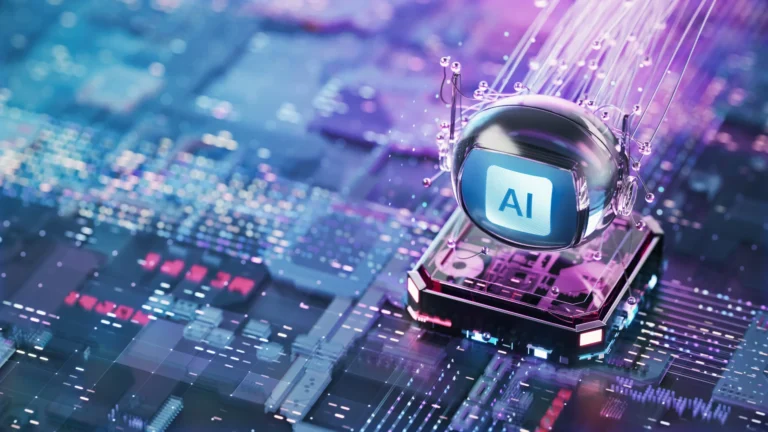
AI systems need strong hardware to work well. They must process huge amounts of data. Because of this, they rely on advanced processors and large memory chips. Graphics chips are important, but memory is just as critical.
High-bandwidth memory helps AI chips run faster. As AI models become larger, they need even more memory. Therefore, demand for memory chips is rising quickly. In fact, it is rising faster than many experts expected.
Big Tech Is Buying in Bulk
Major tech companies are spending billions on AI. Firms like NVIDIA, Microsoft, and Google are building large data centers. These centers need thousands of powerful chips.
As a result, these companies are buying memory chips in huge amounts. This bulk buying reduces supply for others. Smaller companies now struggle to secure enough chips. Consequently, the market is under pressure.
Supply Cannot Increase Quickly
Chip production takes time. Building a new factory can take several years. It also costs billions of dollars. Because of this, supply cannot grow overnight.
At the same time, memory makers such as Samsung Electronics and SK Hynix are focusing more on AI-grade memory. They are producing more high-end chips for servers. However, this means fewer standard chips for phones and laptops. Therefore, consumer electronics makers face shortages too.
Smartphone Prices May Rise
The smartphone market is already feeling the impact. A global shortage of memory chips, driven by AI demand, is expected to raise smartphone prices. When component costs go up, phone makers often pass those costs to buyers.
In addition, analysts expect global smartphone shipments to drop by 12.9% in 2026. Higher prices and limited supply are the main reasons. This decline shows how AI demand is affecting everyday products.
Data Centers Drive the Pressure
Data centers are at the center of this issue. AI models run on large groups of servers. Each server uses multiple processors and a lot of memory. Newer AI models are bigger than ever. Therefore, they need even more hardware.
Companies are also competing to launch better AI tools. Because of this race, they keep upgrading their systems. This constant expansion pushes memory demand even higher.
What Happens Next?
Governments and companies are investing in new chip factories. Over time, this could increase supply. Engineers are also working on more efficient chip designs. These improvements may reduce memory needs in the future.
However, solutions will take time. For now, demand is stronger than supply. The AI-driven memory chip shortage shows that AI growth depends on hardware as much as software. Until production expands, higher prices and lower shipments may continue.
About The Author