

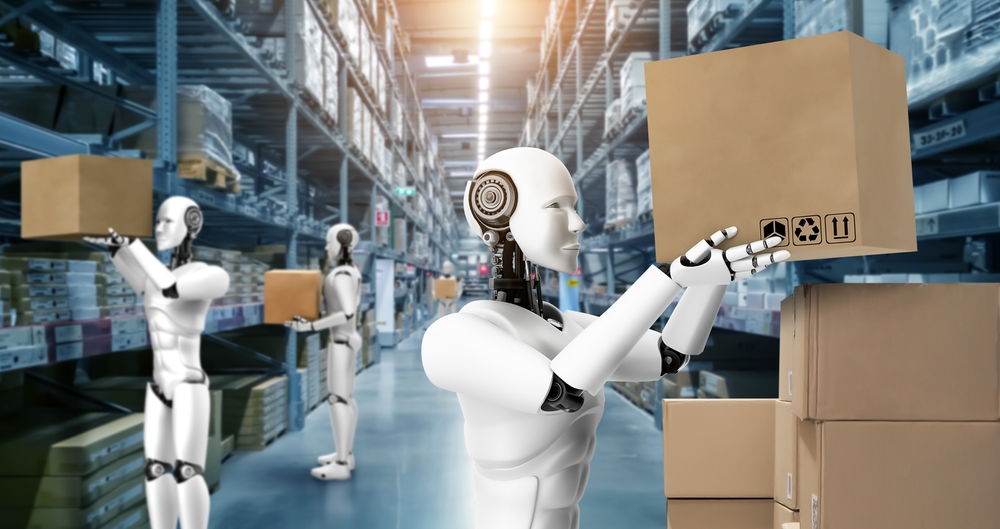
China is gaining an early lead in humanoid robotics with strong factories, smart AI, and fast innovation shaping the future of automation.
Introduction
China is moving fast in the humanoid robot industry. In the past few years, it has shifted from research to real-world use. Today, Chinese companies are building robots that can walk, lift items, and work with people. While other countries are active in this field, China has gained an early lead. So, what is driving this success? Several simple but powerful factors explain it.
Strong Manufacturing Base
First, China has a strong manufacturing system. The country already produces electronics, machines, and smart devices at a large scale. Humanoid robots need parts like sensors, motors, chips, and batteries.
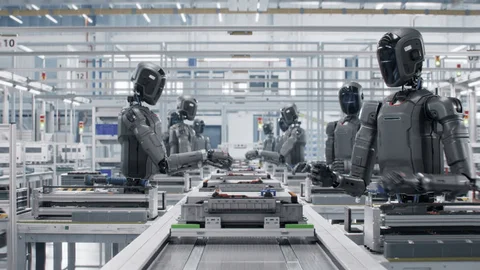
Because many of these parts are made locally, companies save time and money. They can build and test robots quickly. If something fails, they can fix it fast. As a result, development moves at high speed. This gives Chinese firms a clear advantage.
Clear Government Support
Second, the government strongly supports robotics. China sees robotics and AI as key to future growth. That is why it launched programs such as Made in China 2025. These programs push for better technology and local innovation.
In addition, many robotics firms receive funding and tax benefits. This reduces risk for startups. It also allows companies to focus on long-term goals. Because of this support, the industry grows with more stability.
Fast Growth in Artificial Intelligence
At the same time, China is strong in artificial intelligence. AI is the brain of a humanoid robot. It helps the robot see, think, and respond. Without AI, a robot cannot work well in real life.
Large tech companies like Baidu, Alibaba, and Tencent invest heavily in AI. They build tools for speech, vision, and data learning. Robotics companies can use these tools in their machines. As a result, robots become smarter and more useful.
Large Market for Testing
Another reason is China’s huge market. The country has many factories, warehouses, and service businesses. Many of them want automation to reduce labor costs.
Because of this demand, companies can test robots in real workplaces. They collect data and improve performance step by step. Over time, robots become safer and more reliable. This real-world testing helps companies improve faster than lab-only research.
Lower Costs and Fast Scaling
Cost also plays a big role. Some humanoid robots in other countries are very expensive. In contrast, many Chinese firms focus on practical and affordable designs.
They use local supply chains and large-scale production to reduce prices. When prices drop, more businesses can buy robots. As demand grows, production increases. This lowers costs even more. In this way, China builds momentum in the early market.
Skilled Workers and Strong Competition
China also has a growing number of engineers and researchers. Universities train students in robotics and AI. Many graduates join tech companies or launch startups.
At the same time, strong competition pushes firms to improve. Many companies are racing to build better humanoid robots. Because of this, innovation moves quickly. Each company tries to offer better performance at a lower price.
Conclusion
In short, China’s leadership in humanoid robots comes from many connected strengths. It has strong manufacturing, government support, advanced AI, a large market, lower costs, and skilled talent.
Together, these factors create the right environment for growth. Although the global race is still open, China has taken an early lead. If progress continues, it will likely shape the future of humanoid robotics worldwide.
About The Author