


EU university spinouts hit record milestones in 2025, proving that deep tech is now a major force in Europe’s innovation economy.
Introduction
European deep tech spinouts had a strong year in 2025. In fact, nearly 80 university-backed startups reached key milestones. Some hit $1 billion valuations. Others reached $100 million in revenue. As a result, Europe showed real progress. Deep tech now matters more to the EU economy.
Universities Drive Growth
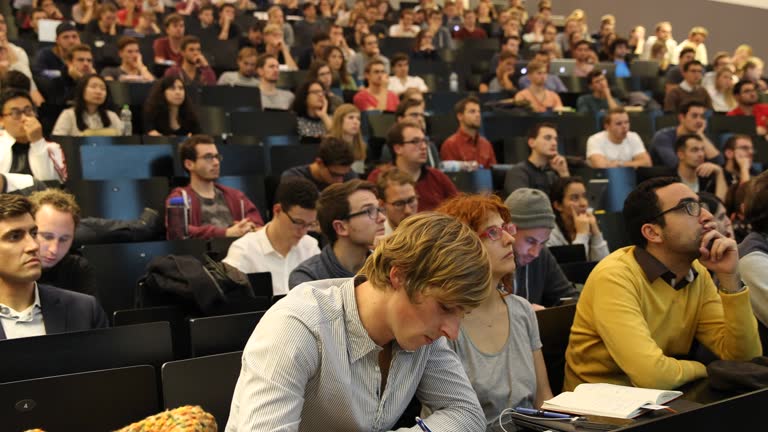
In the past, Europe struggled to sell research ideas. However, this changed in 2025. Research labs became startup hubs. Universities led this shift. Germany, France, the UK, and the Nordics stood out. For example, spinouts emerged in AI and robotics. They also grew in biotech and clean energy.
Better Support Systems
Universities improved founder support. First, tech transfer offices worked faster. Then, licensing rules became simpler. In addition, more campus incubators opened. These changes saved time. As a result, startups moved faster. They reached the market sooner.
Rising Investor Confidence
Investor interest increased during the year. Meanwhile, venture firms accepted longer timelines. They focused on strong technology. Not fast trends. Deep tech solves hard problems. Because of this, competition is lower. Moreover, public funding helped. EU programs reduced early risk.
Focus on Key Industries
Many spinouts worked in vital sectors. For instance, these included chips and climate tech. Health and cybersecurity also grew. EU leaders support these fields. Therefore, startups received policy help. Some also gained contracts. As a result, scaling became easier.
Strong Industry Links
Large companies worked closely with universities. At the same time, they joined projects early. This lowered risk. Startups gained real customers. In return, companies accessed new ideas. As a result, revenue grew faster. Several spinouts passed major targets.
Talent Makes the Difference
More researchers became founders. Meanwhile, skilled executives joined spinouts. This mix worked well. Scientists built the tech. Leaders handled growth and sales. Because of this, execution improved. Mistakes became fewer.
Growing Startup Hubs
Europe’s deep tech hubs expanded. For example, Berlin and Paris offered shared labs. These spaces cut costs. In addition, they sped up testing. Many spinouts expanded abroad. As a result, global sales increased. Valuations also rose.
Conclusion
In summary, 2025 was a key year for EU deep tech spinouts. Nearly 80 startups hit major goals. This success came from smart support. Funding also played a role. If progress continues, Europe can lead deep tech. Overall, the future looks strong.
About The Author




1 thought on “EU Deep Tech Spinouts See Record Growth in 2025”