
💻🎮 End of Steam for Chromebooks in 2026 – Google’s Gaming Plans Shift to Cloud and Android 🚀
End of Steam for Chromebooks: Google’s 2026 Gaming Plans
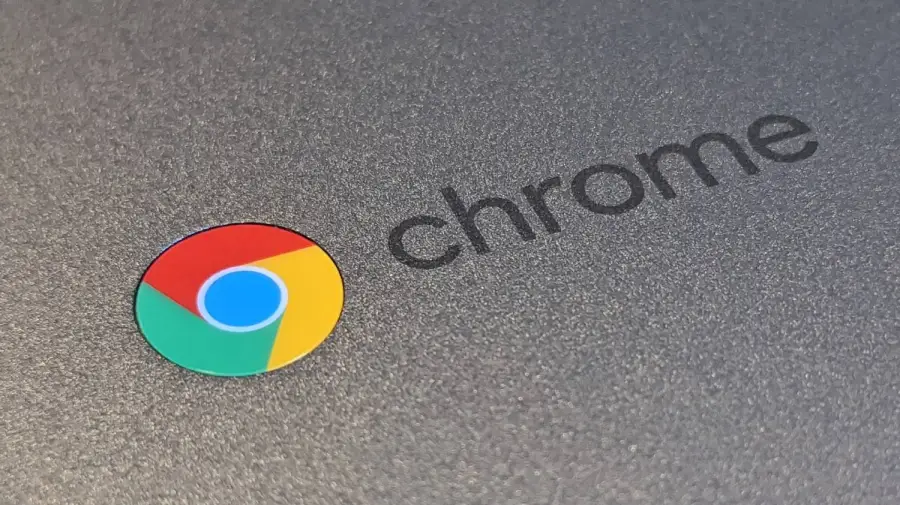
The Chromebook has long been celebrated for its affordability, simplicity, and cloud-centric design, making it popular in education and casual computing. However, recent leaks about Google’s gaming plans for 2026 have sparked concerns among gamers. With rumors suggesting a shift away from traditional platforms like Steam, many are asking: is this the end of Steam support on Chromebooks, and what does it mean for the future of gaming on Chrome OS?
Chromebooks and Gaming: A Quick Overview
While Chromebooks were originally designed for productivity rather than gaming, Google has made strides to support gaming in recent years. Features such as Linux-based Steam support, cloud gaming services like Stadia, and limited access to PC games have allowed users to enjoy a growing library of titles.
Steam on Chromebook was a particularly important development, giving users access to indie hits and major AAA titles on a budget-friendly, portable device. This capability expanded Chromebook appeal beyond students and casual users to PC gaming enthusiasts.
Google’s 2026 Gaming Plans
According to leaks, Google’s 2026 gaming strategy will focus heavily on cloud gaming, mobile-first games, and its proprietary gaming ecosystem. While this aligns with industry trends, it raises questions about local game installations on Chromebooks. Full Linux-based Steam support may be reduced or deprioritized, signaling a shift toward streaming over local gaming.
This approach offers benefits, such as allowing even low-powered Chromebooks to play graphically demanding games via the cloud. However, it also limits flexibility, ownership, and offline play—features that traditional PC gamers expect from Steam.
Implications for Chromebook Gamers
If Google scales back Steam support, Chromebook gamers could face several challenges:
- Internet Dependency: Cloud gaming requires a strong, stable internet connection, which may not be available everywhere.
- Latency Issues: Streaming introduces input lag, impacting fast-paced or competitive games.
- Limited Ownership: Cloud gaming reduces control over installed games compared to owning them locally.
While casual users may embrace cloud gaming, dedicated Chromebook gamers could feel alienated if traditional Steam functionality diminishes.
The Future of Chromebooks
Despite these changes, Chromebooks are unlikely to disappear as a gaming platform. Their affordable pricing, portability, and integration with Google services continue to make them attractive for general use. Cloud gaming could expand access to AAA titles without expensive hardware, potentially attracting new users who prioritize convenience over performance.
Hybrid solutions may emerge, combining cloud-based gaming with limited local options. Chrome OS gaming could evolve into a primarily streaming-focused ecosystem, while still offering occasional support for Steam and Linux games.
Conclusion
Google’s 2026 gaming plans mark a shift for Chromebooks in the gaming world. While Steam support may be reduced, cloud-based gaming promises broader access to high-end titles, albeit with some limitations. For casual gamers, Chromebooks could become more versatile and capable. For dedicated PC gamers, this shift may signal the end of the Chromebook as a full-fledged Steam gaming device.
Ultimately, the future of gaming on Chromebooks depends on Google’s ability to balance innovation with user needs. While Steam may lose prominence, Chromebooks remain a flexible, affordable, and evolving platform—poised to adapt to the cloud-centric gaming era.
About The Author