
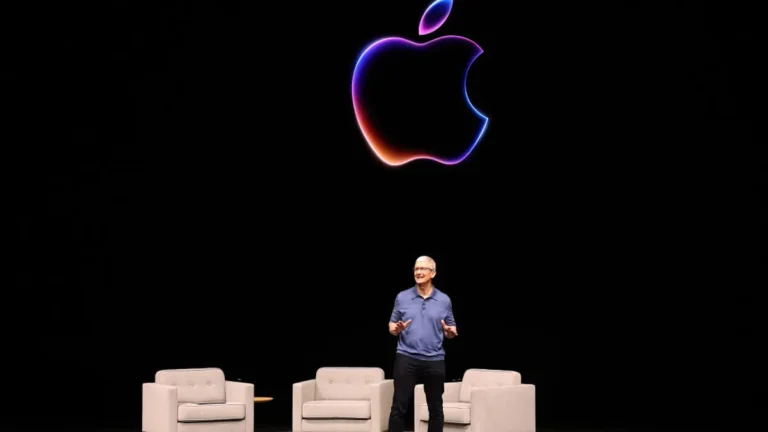
Siri enters a new AI era with Google Gemini, replacing ChatGPT to deliver smarter, more context-aware voice assistance across Apple devices.
Apple is changing how Siri works. The company plans to upgrade its voice assistant using Google’s Gemini AI, instead of OpenAI’s ChatGPT. This move marks a major shift in Apple’s AI strategy. It also shows that Apple wants Siri to become smarter and more competitive.
For a long time, Siri lagged behind other assistants. Google Assistant and Amazon Alexa handled conversations better. Meanwhile, Apple focused on privacy and device integration. However, user needs have changed. People now expect smarter and more natural AI. Because of this, Apple decided it was time for a major upgrade.
Apple Changes Its AI Approach
Apple usually builds its own technology. Still, advanced AI models take years to develop. They also need huge computing power. As a result, Apple chose a mixed approach. It will combine its own systems with Google’s Gemini AI.
This strategy helps Apple move faster. At the same time, Apple can keep control over how Siri works. For example, Apple may still handle private tasks on its own systems. Meanwhile, Gemini can help with complex questions and conversations.
Why Apple Picked Google Gemini
Apple chose Gemini for several reasons. First, Google has strong AI systems. The company has built and improved them for many years. Because of this, Gemini can work at a global scale. That matters since Siri runs on millions of devices.
Second, Gemini can handle many types of input. It understands text, voice, and images. This feature fits well with Apple’s ecosystem. As a result, Siri can better understand what users want across apps and devices.
Business Strategy Also Matters
Technology was not the only factor. Business strategy played a role too. OpenAI works closely with Microsoft. Microsoft competes with Apple in software and services. Therefore, Apple may want to avoid depending on a Microsoft-linked partner.
By choosing Google instead, Apple keeps more freedom. It can balance competition while still using strong AI tools. This choice shows that AI deals are not just about tech. They are also about long-term strategy.
What This Means for Siri Users
For users, the changes could be clear and useful. Siri may soon understand questions better. It could handle follow-up requests more easily. In addition, Siri may complete tasks with fewer errors.
Over time, Siri could feel more natural to use. Instead of simple commands, users may have real conversations. As a result, Siri could become more helpful in daily life.

Impact on the AI Market
Apple’s move affects the wider AI industry. It strengthens Google’s role as an AI provider. At the same time, it shows that OpenAI is not the only option. Big tech firms now choose partners carefully.
More companies are mixing their own tools with outside AI. This trend helps them move faster. It also increases competition. In the end, users benefit from better AI products.
What Happens Next
Apple is expected to share more details soon. The company may announce new Siri features at future events. At first, Apple will likely release updates step by step. This helps avoid bugs and protect user data.
If the plan works, Siri could see its biggest upgrade yet. Apple may finally close the gap with rival assistants.
Final Thoughts
Apple’s decision to use Google’s Gemini AI marks a new chapter for Siri. The company wants better performance without giving up control. By doing so, Apple shows it takes AI seriously.
As Siri improves, users can expect a smarter assistant. In the long run, this move could reshape how people interact with Apple devices.
About The Author




1 thought on “Apple’s Siri Enters a New AI Era—with Google, Not OpenAI”