
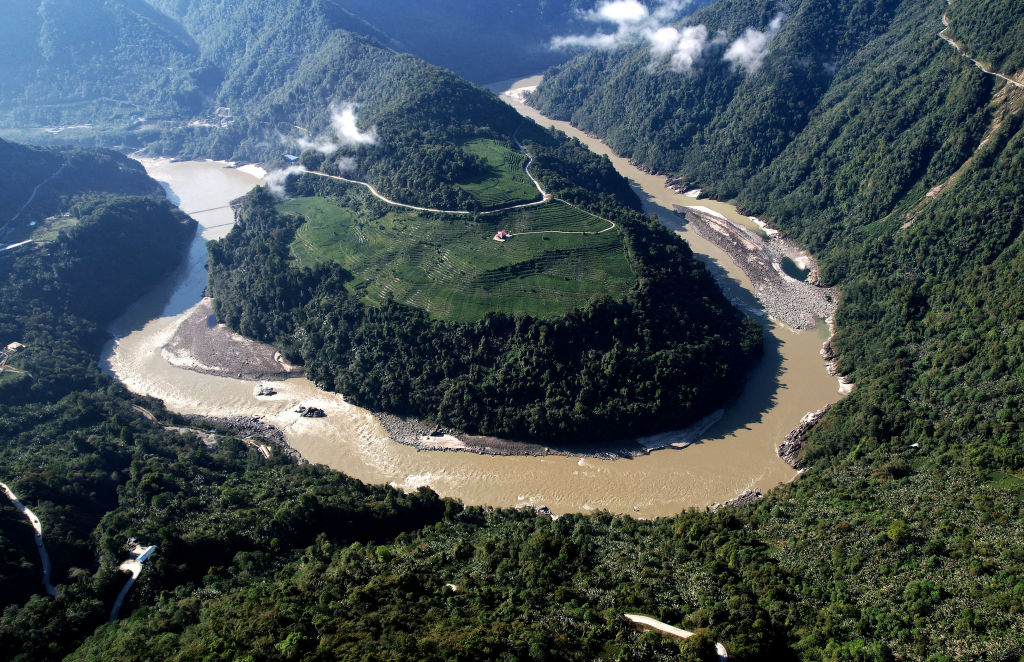
China begins construction of the Medog Dam, set to become the world’s biggest hydropower dam, reshaping clean energy and global sustainability.
China has officially started the construction of the world’s biggest hydropower dam, known as the Medog Dam, on the Yarlung Tsangpo River in the Tibet Autonomous Region. This groundbreaking project aims to generate over 60 gigawatts of electricity, a figure that would surpass the legendary Three Gorges Dam, making it the largest hydropower plant ever built. The Medog Dam is more than an engineering marvel—it is a cornerstone of China’s vision for sustainable development and energy security in the decades to come.
Infrastructure, Jobs, and Development
The development of the world’s biggest hydropower dam is expected to bring wide-ranging benefits that go beyond energy production. China envisions this mega-project as a way to enhance infrastructure, strengthen water resource management, and foster local economic growth. For Tibet, the project promises improved flood control measures, thousands of new employment opportunities, and more reliable access to electricity. By linking the Medog Dam with the Belt and Road Initiative, China underscores its ability to showcase engineering mastery while integrating strategic development goals at both domestic and international levels.
Supporting China’s Green Transition
From a policy perspective, the world’s biggest hydropower dam supports China’s ambitious environmental commitments. By expanding its clean energy portfolio, Beijing is reducing its dependency on coal and cutting back on carbon emissions. With industrialization, digitalization, and rapid urban growth driving a surge in electricity demand, the Medog Dam will play a central role in securing long-term energy stability. At the same time, it contributes directly to China’s pledge of achieving carbon neutrality by 2060, sending a message that the nation is serious about transforming its energy model.
Environmental Challenges in the Himalayas
Yet, building the world’s biggest hydropower dam in the Himalayas has drawn strong criticism from environmentalists. The region is considered one of the most ecologically fragile areas in the world, and large-scale construction risks disrupting river ecosystems, destroying habitats, and accelerating biodiversity loss. In addition, concerns about soil erosion, seismic activity, and the displacement of Tibetan communities add to the complexity. Experts stress that unless strict ecological safeguards and transparent environmental assessments are adopted, the long-term costs may outweigh the short-term gains.
Geopolitical Tensions with Neighboring Countries
The geopolitical implications of the world’s biggest hydropower dam are equally significant. The Yarlung Tsangpo River eventually flows into India and Bangladesh, both of which rely heavily on its waters for agriculture, fisheries, and drinking supplies. These downstream nations fear that China’s control of the river through the Medog Dam could affect water availability, agricultural productivity, and food security. With water already a sensitive subject in South Asia, this project risks adding strain to regional diplomatic relations unless cooperative water management frameworks are established.
China’s Global Leadership in Clean Energy
For China, however, the construction of the world’s biggest hydropower dam is a strategic declaration of leadership in renewable energy innovation. It reflects the country’s determination to dominate the global green energy market, alongside its heavy investments in solar farms, offshore wind projects, and nuclear energy. By undertaking such an ambitious hydropower initiative, Beijing is not only addressing domestic sustainability goals but also sending a signal to the world that it intends to be at the forefront of clean energy technology and policy.
Balancing Progress with Responsibility
Looking ahead, the Medog Dam, branded as the world’s biggest hydropower dam, symbolizes both opportunities and challenges. On one side, it has the potential to transform Tibet’s economy, secure long-term clean power for China, and reinforce its global reputation in renewable energy. On the other, the environmental and geopolitical risks could undermine its legacy if not carefully managed. The project will test China’s ability to balance ambition with responsibility, ensuring that progress does not come at the expense of ecological integrity or regional stability. Ultimately, how China addresses these issues will determine whether the Medog Dam becomes a global symbol of sustainable innovation or a cautionary tale of unchecked development.
About The Author




It’s no secret that the digital industry is booming. From exciting startups to global brands, companies are reaching out to digital agencies, responding to the new possibilities available.
Absolutely! The rapid growth of the digital industry is transforming the way businesses operate and connect with their audiences. As technology continues to evolve, brands — whether emerging startups or established global names — are leveraging digital agencies to stay competitive, innovate, and maximize the potential of these new opportunities.