
Can virtual education help solve the petrol shortage problem? Read the full analysis on whether online classes are the future during the fuel crisis.
Government Plans Virtual Education During Fuel Shortage
The Prime Minister of Pakistan has asked officials to prepare a virtual education plan. The plan may also include work-from-home options for offices. The report must be presented on Monday. Petrol shortages and high fuel prices are creating serious problems across the country. Transport systems are facing pressure. Students, teachers, and workers depend on daily travel. Because of this, the government is looking for digital solutions. Virtual classes are one of the main ideas under discussion.
How Virtual Classes Can Reduce Fuel Use
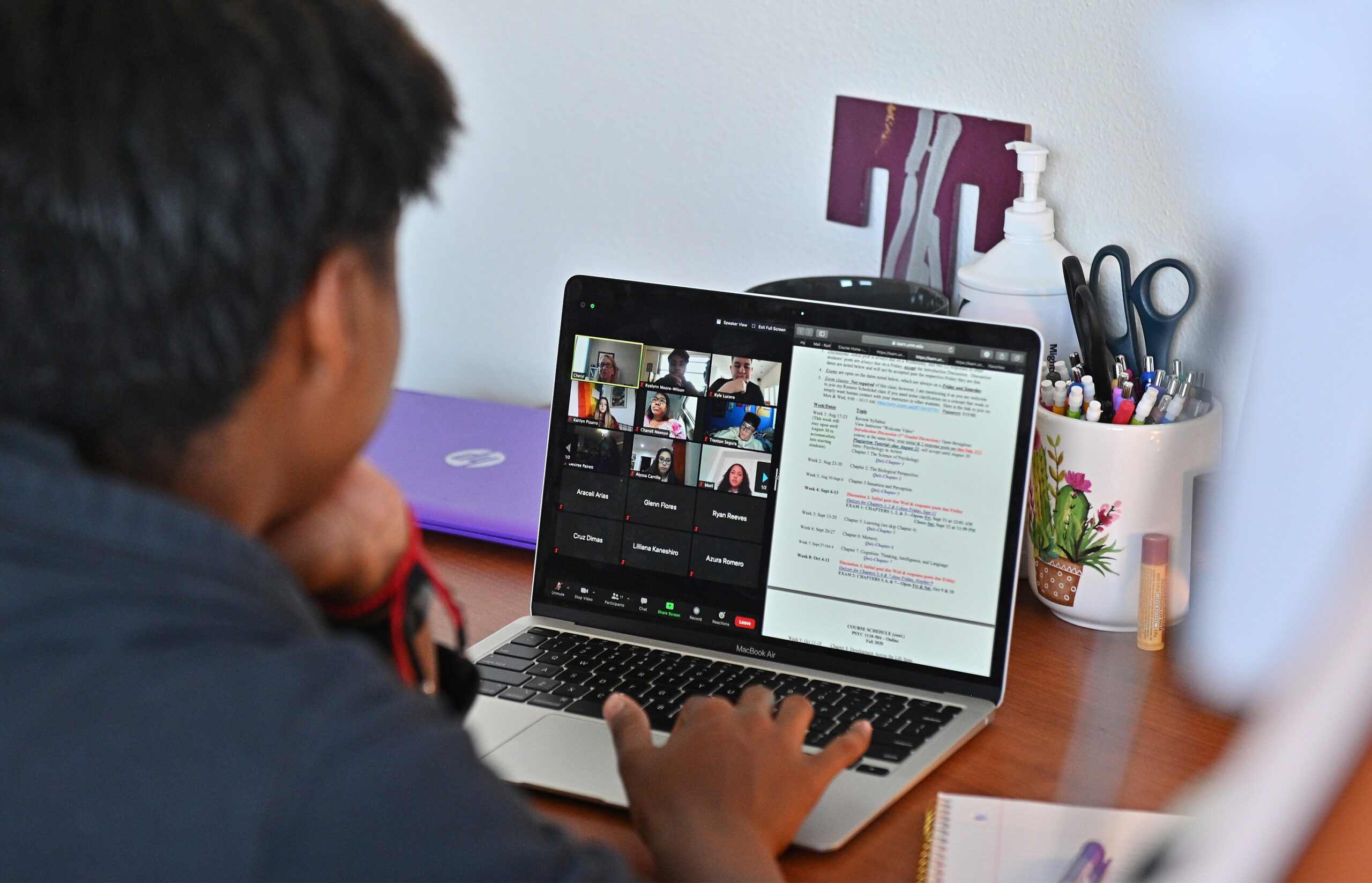
Virtual education can help reduce daily travel for students. Many students go to schools, colleges, and universities every day. They use buses, motorcycles, and cars. This travel consumes a large amount of petrol and diesel. If classes move online, students can study from home. Fewer vehicles will be on the road. This can help lower fuel demand during the crisis.

Online Learning Helps Families Save Money
Virtual classes can also help families save money. When petrol prices rise, transport costs also rise. Many parents find it hard to pay travel expenses for their children. Online classes remove the need to travel. This can reduce fuel costs and transport fares. Students also save travel time. They can use this time for study and homework.
Flexibility in Education
Virtual learning gives flexibility to students and teachers. Classes can be held through video platforms and online systems. Teachers can record lectures and share study materials. Students can join classes from home if they have internet access. Education can continue even if transport becomes difficult during the fuel crisis.
Problems of Virtual Education
Virtual education also has some problems. Not all students have internet access. Many students do not own smartphones or laptops. Rural areas often have weak internet signals. Some students may miss classes because of connection problems. This can create inequality in education.
Learning Quality and Student Attention
Online classes may affect learning quality. In traditional classrooms, teachers interact directly with students. Teachers can answer questions quickly. Online classes may reduce student attention. Younger students may find it hard to focus during long online lessons. Some subjects also need practical work. Science experiments and technical training are hard to teach online.
Is Hybrid Education the Best Choice?
Virtual classes can help reduce fuel use during the petrol crisis. They also provide flexibility and save transport costs. However, virtual education cannot fully replace physical classrooms. A hybrid education system may work better for Pakistan. Online learning can be combined with traditional classes. This may reduce fuel use and keep education quality good.
About The Author