China’s latest AI model can write, solve problems, and hold conversations—but is it really thinking like a human or just simulating intelligence?
Introduction: Can AI Think Like Humans?
China has launched a new artificial intelligence model. Many people believe it can think like a human. As a result, the news has drawn global attention. Experts, tech leaders, and governments are discussing what this breakthrough really means.
AI is now part of daily life. People use it in phones, search engines, and apps. Because of this rapid growth, one key question stands out: Is China’s new AI model truly thinking like a human, or is it simply copying human behavior in a clever way?
How the AI Model Works
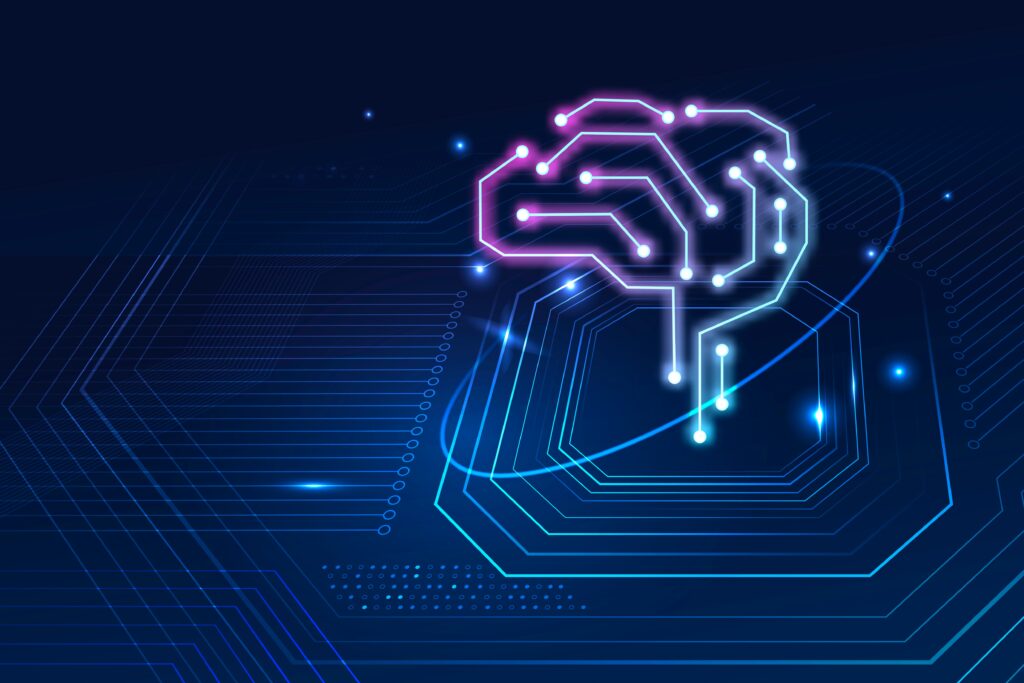
At its core, the system uses neural networks. These networks are designed to copy the structure of the human brain. Layers of digital “neurons” process data and detect patterns.
Unlike humans, however, the system does not grow through life experience. People learn from emotions, relationships, and real events. In contrast, AI learns from huge amounts of data. It studies patterns and predicts likely answers. For this reason, many experts argue that AI imitates thinking but does not truly think.
China’s Role in the Global AI Race
Over the past decade, China has invested heavily in AI research. Large technology firms such as Baidu, Alibaba, and Tencent have built powerful AI platforms.
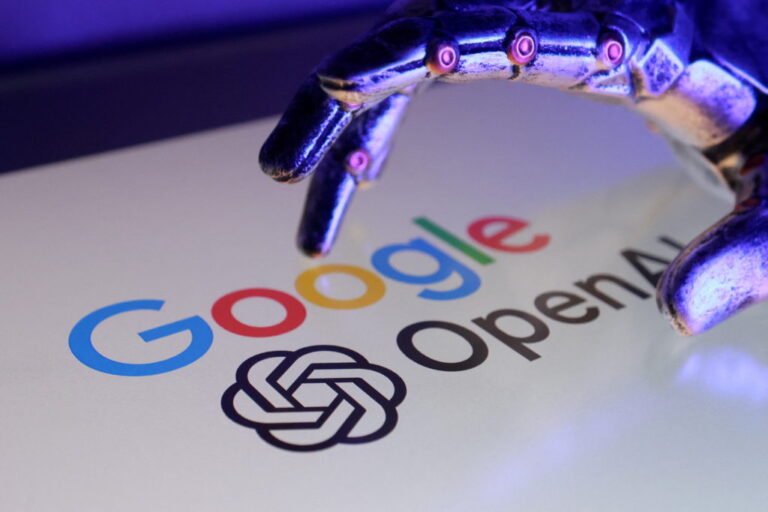
Across the Pacific, companies like OpenAI and Google continue to develop advanced models. As competition grows, both nations aim to lead the future of artificial intelligence. This rivalry has turned AI into a key global strategy issue.
What Makes This Model Different?
Supporters claim the new system is more advanced than earlier versions. For instance, it can write essays, answer complex questions, and generate computer code. It also translates languages and carries out long conversations with ease.
Another strength is its ability to understand context. Responses often sound natural and well-structured. Because of these skills, some researchers see it as progress toward artificial general intelligence, or AGI. Even so, strong performance does not automatically mean real understanding.
Human Thinking vs. Machine Processing
True human thinking involves more than logic. Emotion, memory, and moral judgment shape how people see the world. Personal experience also plays a major role in decision-making.
A machine operates differently. Instead of feelings, it uses math and probabilities. Rather than awareness, it relies on code. While the AI may produce human-like answers, it does not know what those answers mean. That difference remains central to the debate.
Real-World Benefits of China’s AI
Despite these limits, the system offers real value. In healthcare, AI tools can help doctors review medical scans. Within education, digital tutors can support students with personalized lessons. Financial institutions also use AI to detect fraud and manage risk.
Transportation networks benefit as well. Smart systems improve traffic flow and delivery planning. Thanks to these advantages, China continues to fund AI development. Leaders view it as a driver of economic growth.
Final Thoughts: Thinking or Simulating?
China’s new AI model marks an important step in technology. Its skills are impressive and wide-ranging. Conversations feel smooth and informed.
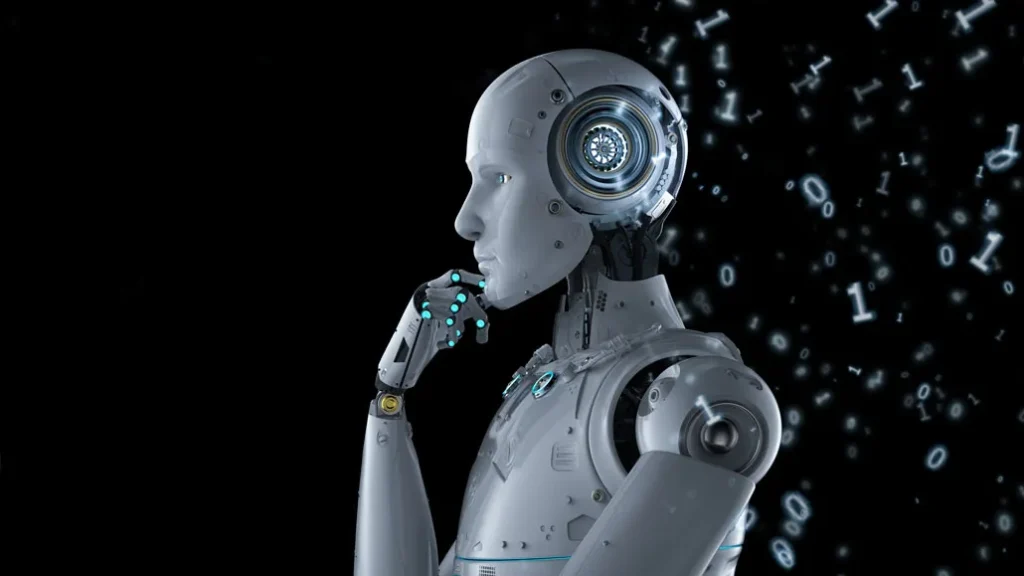
Still, the system does not possess awareness or emotion. What it does is analyze data and predict outcomes. Although its behavior may seem human, the mind behind it is mathematical. For now, AI simulates intelligence rather than living it. The discussion about true machine thinking, however, is far from finished.
About The Author