

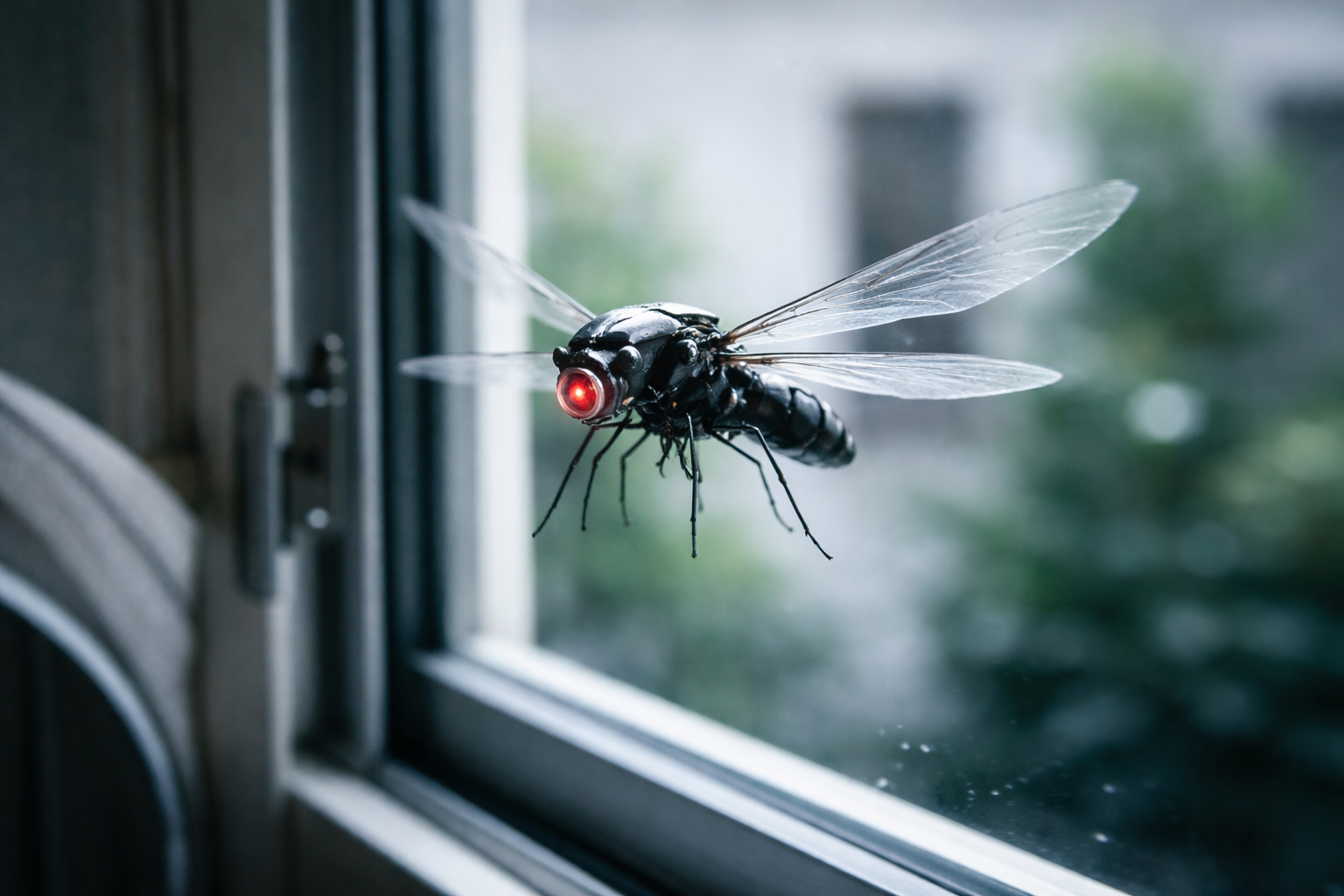
China’s tiny mosquito-sized drone sparks new worries about invisible surveillance and privacy risks worldwide.
China has taken surveillance to a new level. The country has unveiled a drone as small as a mosquito. The tiny device shows how fast surveillance tools are changing. Because of this, many experts now worry about privacy and safety.
Engineers built the drone to look and move like a real mosquito. As a result, it can fly without drawing attention. Experts say this step changes how modern surveillance works.
A Major Step in Small Drone Technology
Chinese research teams revealed the drone to the public. Soon after, the news spread worldwide. The drone has thin wings and a very small body. It can carry basic sensors.
Officials have shared few details. However, experts agree the design shows strong progress in robotics. It also shows China’s growing focus on smart surveillance tools.
Built to Stay Hidden
This drone is different from normal drones. For example, it makes almost no sound. It is also hard to see. Because of its insect-like flight, it blends into nature.
The drone can fly indoors or outdoors. It may enter buildings through open windows. Meanwhile, it can hover close to people or objects. Most people would never notice it.
Why This Drone Is Hard to Build
Building a flying device this small is very hard. First, engineers must keep the weight very low. Next, they must fit power, sensors, and controls inside the body.
The drone also needs stable flight. Therefore, developers use light materials and smart designs. These steps show real progress in small-scale robotics.
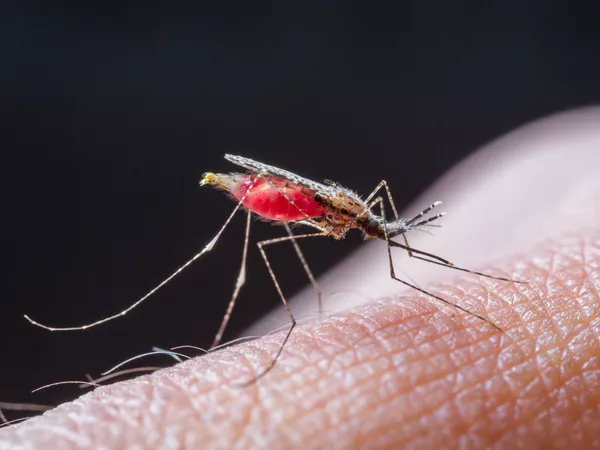
New Security Risks
Experts warn that this drone creates new risks. Most defense systems look for large or noisy drones. However, this one is silent and tiny.
It gives off little heat. As a result, tracking becomes difficult. Because of this, secure places may face new threats. These include offices, labs, and homes.
Privacy and Legal Concerns
The drone has raised concern around the world. Privacy groups warn about misuse. Human rights groups also ask for clear rules.
Current drone laws focus on visible aircraft. Therefore, tiny drones often fall outside the rules. Critics say governments must act fast.
What Comes Next
For now, the drone may stay in testing. Still, it points to a future of hidden surveillance. Tools will keep getting smaller and smarter.
Governments now face tough choices. They must protect safety but also privacy. In the end, China’s mosquito-sized drone shows how hard that balance may become.
About The Author




1 thought on “China Crosses a New Line in Surveillance With Mosquito-Sized Drone”