

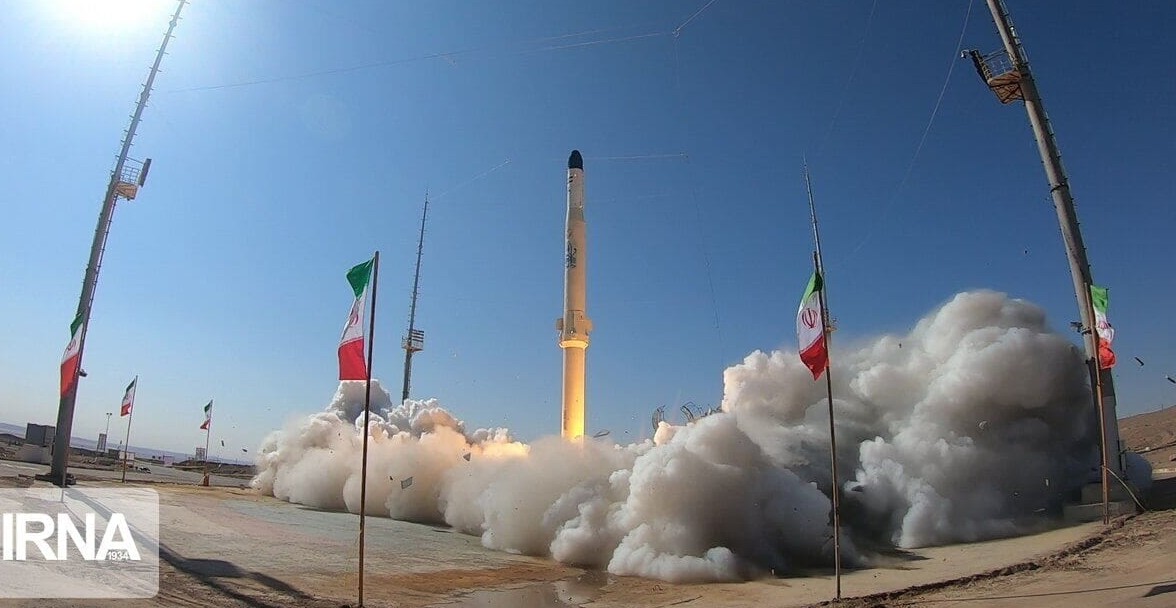
Iran to launch its first satellite with solid-fuel rocket tech.
Iran is preparing for a historic milestone — its first satellite launch using a solid-fuel rocket. This event marks a turning point in the country’s growing space ambitions. It also shows Iran’s determination to achieve self-reliance in both science and technology. The new rocket, built entirely by local engineers, represents years of research, innovation, and testing.
A New Direction for Iran’s Space Program
For years, Iran relied mainly on liquid-fueled rockets to power its satellite missions. These rockets required complex fueling systems and long preparation times. However, the shift to solid-fuel technology offers faster launches and simpler operations.
According to officials, engineers have already completed several ground tests successfully. Moreover, the rocket will soon carry a small satellite into low-Earth orbit. This development demonstrates Iran’s growing expertise in aerospace engineering and its ability to innovate under global pressure.
Why Solid Fuel Matters
The Iran solid-fuel satellite launch is not just another mission; it’s a technological leap. Solid-fuel rockets can be stored longer and launched more quickly. Therefore, they are ideal for rapid-response missions.
In addition, solid fuel reduces the risk of leaks and mechanical failures that often occur with liquid systems. As a result, it allows for more frequent and affordable space missions. Iranian scientists believe this progress will boost research in communication, weather forecasting, and environmental monitoring.
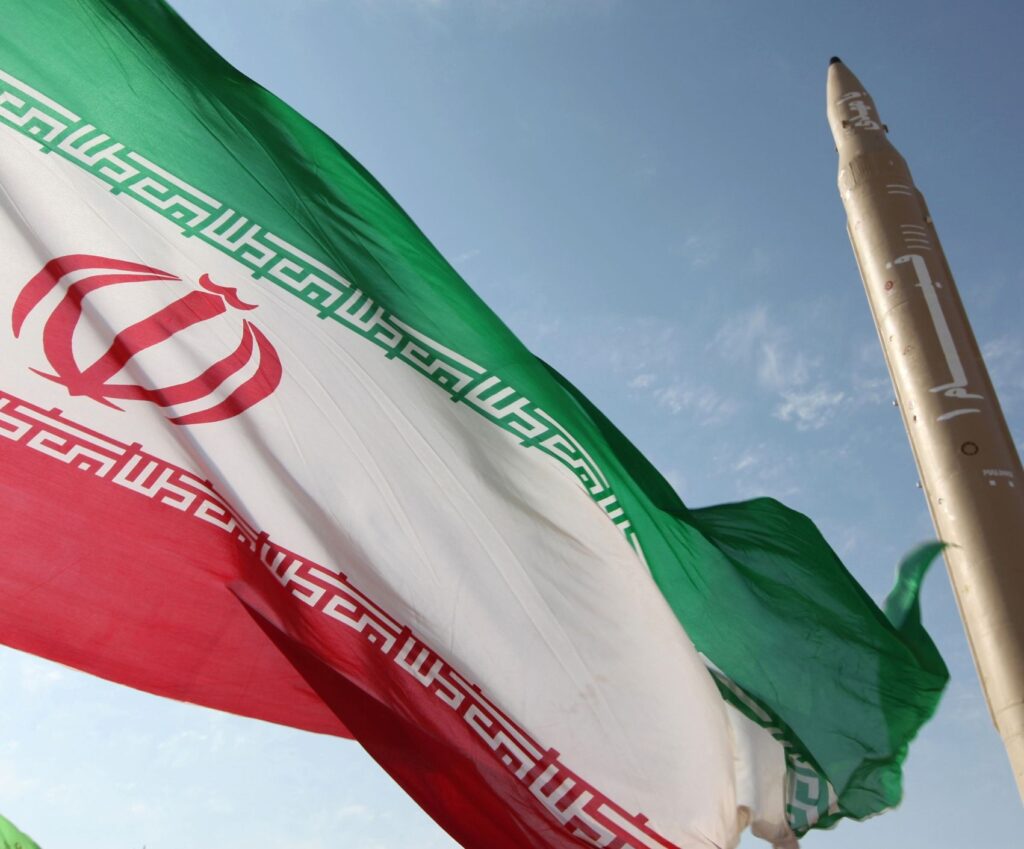
Expanding Iran’s Space Goals
Iran’s space journey began in the early 2000s. Since then, it has launched several satellites, including Omid, Rasad, and Noor. Those earlier missions used liquid-fuel rockets, but now Iran is stepping into a new era with solid-fuel propulsion.
Furthermore, officials insist that the country’s goal remains peaceful. They claim that the space program aims to improve science, communication, and technology for public benefit. However, some international observers continue to question whether these rockets could also serve military purposes. This debate has added tension to Iran’s growing space ambitions.
Mixed Global Reactions
Reactions to the Iran solid-fuel satellite launch are divided. Supporters call it a proud moment for Iranian scientists and engineers. They argue that innovation should not be limited by sanctions or politics.
On the other hand, critics in the United States and Europe express concern about the rocket’s potential dual-use capabilities. Nevertheless, Iranian leaders maintain that their program is entirely peaceful. They emphasize transparency, cooperation, and adherence to international law. Consequently, the country continues to defend its right to space exploration.
Public Pride and National Excitement
Inside Iran, excitement is building rapidly. State media have described the launch as a “solid step toward independence in space.” Meanwhile, engineers behind the project have been praised for their hard work and creative solutions.
Moreover, many citizens see this event as a symbol of national strength and self-reliance. Young Iranians are also showing greater interest in science and engineering. As a result, the mission has inspired a new wave of enthusiasm across schools and universities. On social media, users are calling it a sign of progress, unity, and hope.
A Major Step Toward the Future
Although the exact launch date remains undisclosed, officials confirm that it will happen soon. When successful, the solid-fuel satellite launch will place Iran among a small group of countries, including the U.S., China, and India, capable of using this advanced technology.
Furthermore, experts believe this success could open doors to international research partnerships. It could also help Iran design stronger rockets that carry heavier satellites into higher orbits. Ultimately, this achievement shows Iran’s growing ability to combine science, innovation, and strategy. Therefore, the upcoming launch will likely become a defining moment in Iran’s journey toward space independence.
About The Author